The first evening is better spent choosing dinner than trying to make your phone work. Before flying to Korea, sort your entry documents, mobile data, local map app, payment backup and airport route. None needs to be complicated. This guide handles the decisions in order, with an Incheon-to-Seoul plan you can adapt to your hotel and arrival time.
01
Confirm entry requirements, not assumptions
Start with the rule for your passport: visa and K-ETA requirements depend on nationality and can change. Korea’s temporary K-ETA exemption for eligible countries has been extended through December 31, 2026, but exemption is not universal. Use the official K-ETA and immigration information linked from VISITKOREA, and check again in the final week before departure.
Keep your first accommodation’s name, Korean address, and phone number offline. Airlines or arrival forms may ask for it, and a Korean address is the fastest way to resolve confusion with a driver. Travel insurance details and essential prescriptions should also be available without a data connection.
02
Make the first airport hour simple
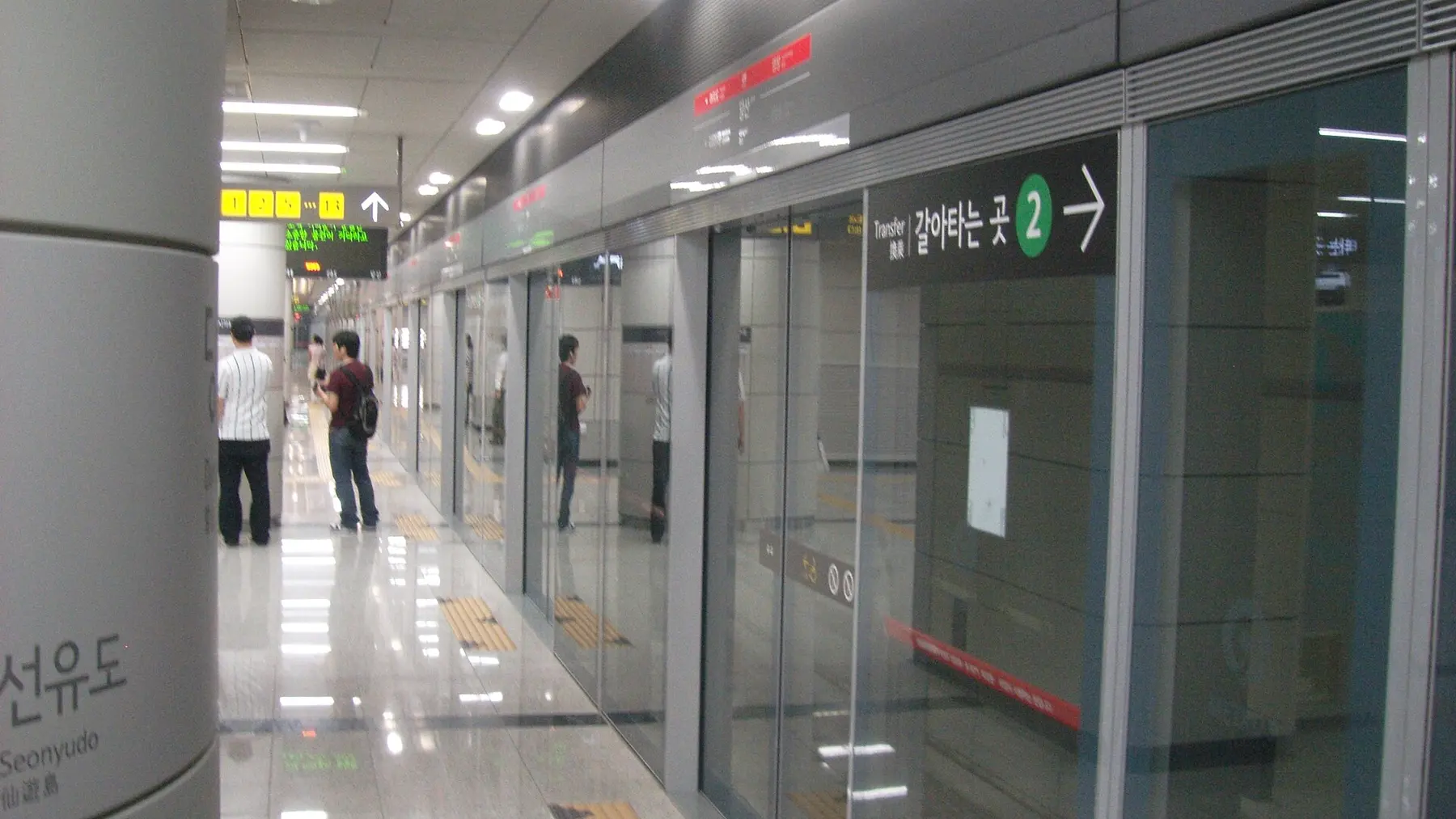
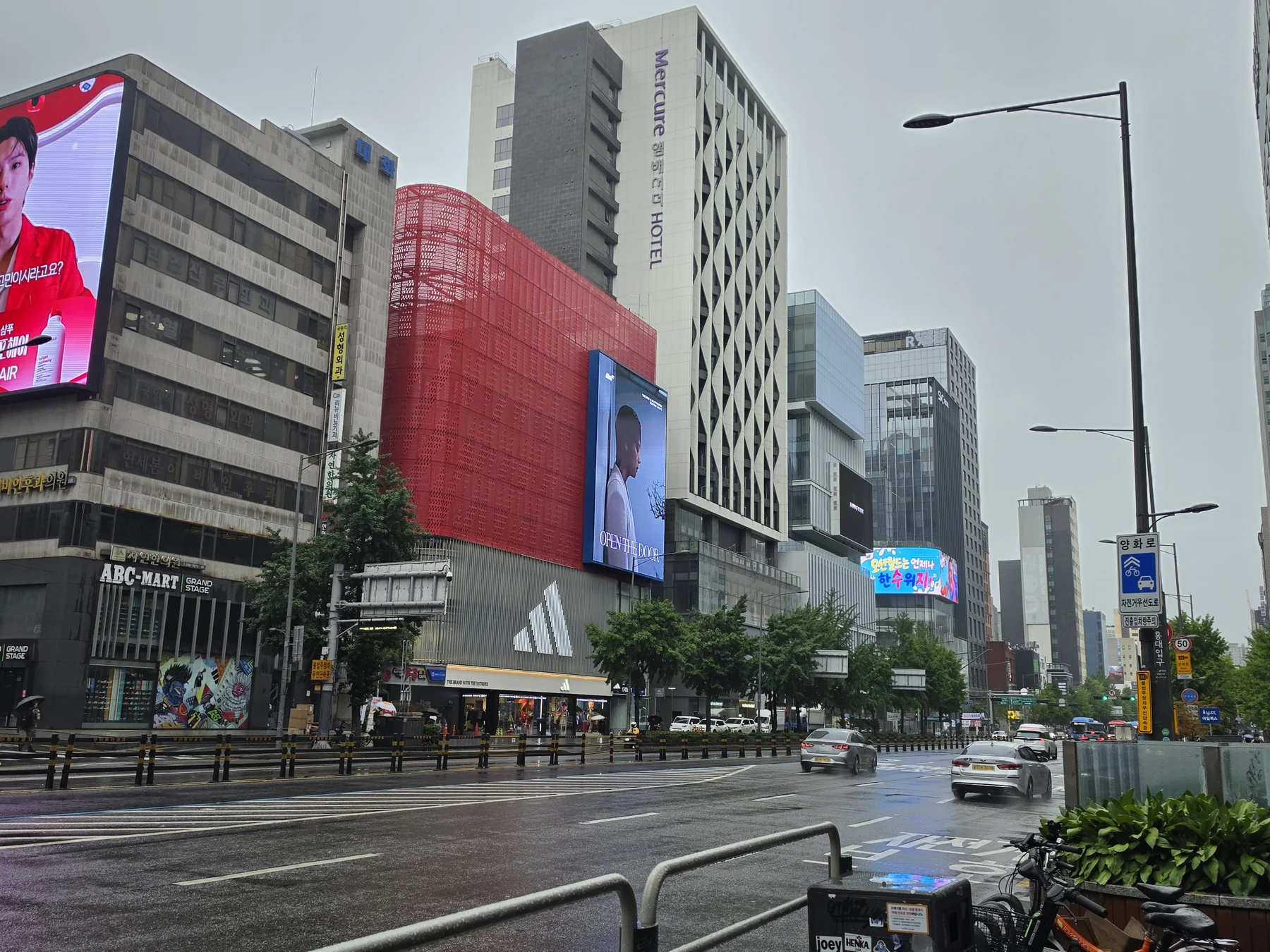
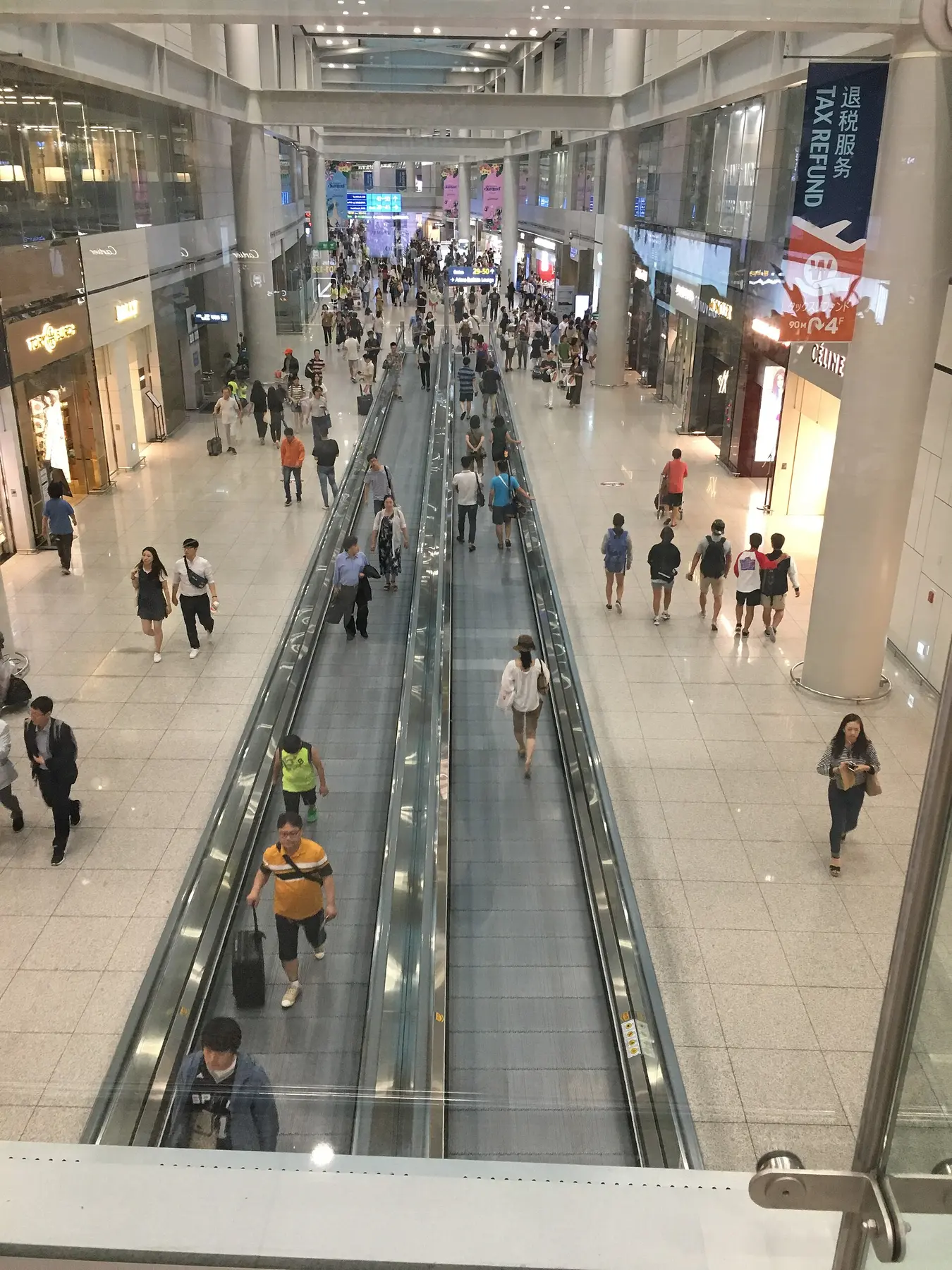
Give the Incheon arrivals hall four jobs: connect your phone, get a small amount of won, obtain or top up a transport card, and confirm your hotel route. The AREX Express goes nonstop to Seoul Station; the all-stop train serves intermediate stations and may be more convenient for Hongdae or western Seoul.
Choose the route by your hotel’s nearest station, not by the word express. A slightly slower train with one easy transfer can beat a fast train followed by stairs, a crowded interchange, and a taxi. If you arrive late or with heavy luggage, compare the airport limousine bus stop with the rail route.
03
Set up data, maps, and translation
Choose data that fits your phone and group: an eSIM suits many unlocked phones, while a physical SIM or shared pocket Wi-Fi can be more practical for other travelers. Activate the service while you still have airport Wi-Fi and test both mobile data and incoming verification messages if your plan includes a Korean number.
Google Maps is useful for discovery, but Korean navigation and transit detail are generally stronger in Naver Map or KakaoMap. Save your hotel, airport terminal, and first two destinations in advance. Papago is useful for Korean text, menus, and short conversations; camera translation is especially helpful in restaurants.
04
Carry two payment systems
Bring a payment backup: international cards work at many hotels, shops and restaurants, but small markets, some kiosks and older machines can be inconsistent. Carry a second physical card and a modest amount of cash. Tell your bank you are traveling if it still uses travel notices, and know your card PIN.
A rechargeable transport card such as Tmoney or EZL covers most urban buses and subways. Load it with Korean won, and keep it separate from contactless bank cards so gates read the correct card. Refund and top-up rules differ by product, so avoid leaving a large balance at the end.
05
Prepare for ordinary problems
Save 1330 before you need it; the tourist helpline provides travel information and interpretation support. Save it along with your insurer, accommodation, and card issuer. Korea’s emergency numbers are 112 for police and 119 for fire or ambulance; ask your hotel or a nearby staffed business for help if language is a barrier.
Pack for indoor-outdoor contrast: comfortable shoes, a small umbrella, medication in original packaging, and a layer that can handle strong air-conditioning or heated interiors. The goal is not to prepare for every possibility; it is to keep one missed train, wet afternoon, or declined card from becoming the story of the trip.
Check before you go
Official links and live information
Details last checked September 25, 2026. Entry rules, schedules, prices, transport coverage, and operating hours can change, so verify time-sensitive details before committing time or money.