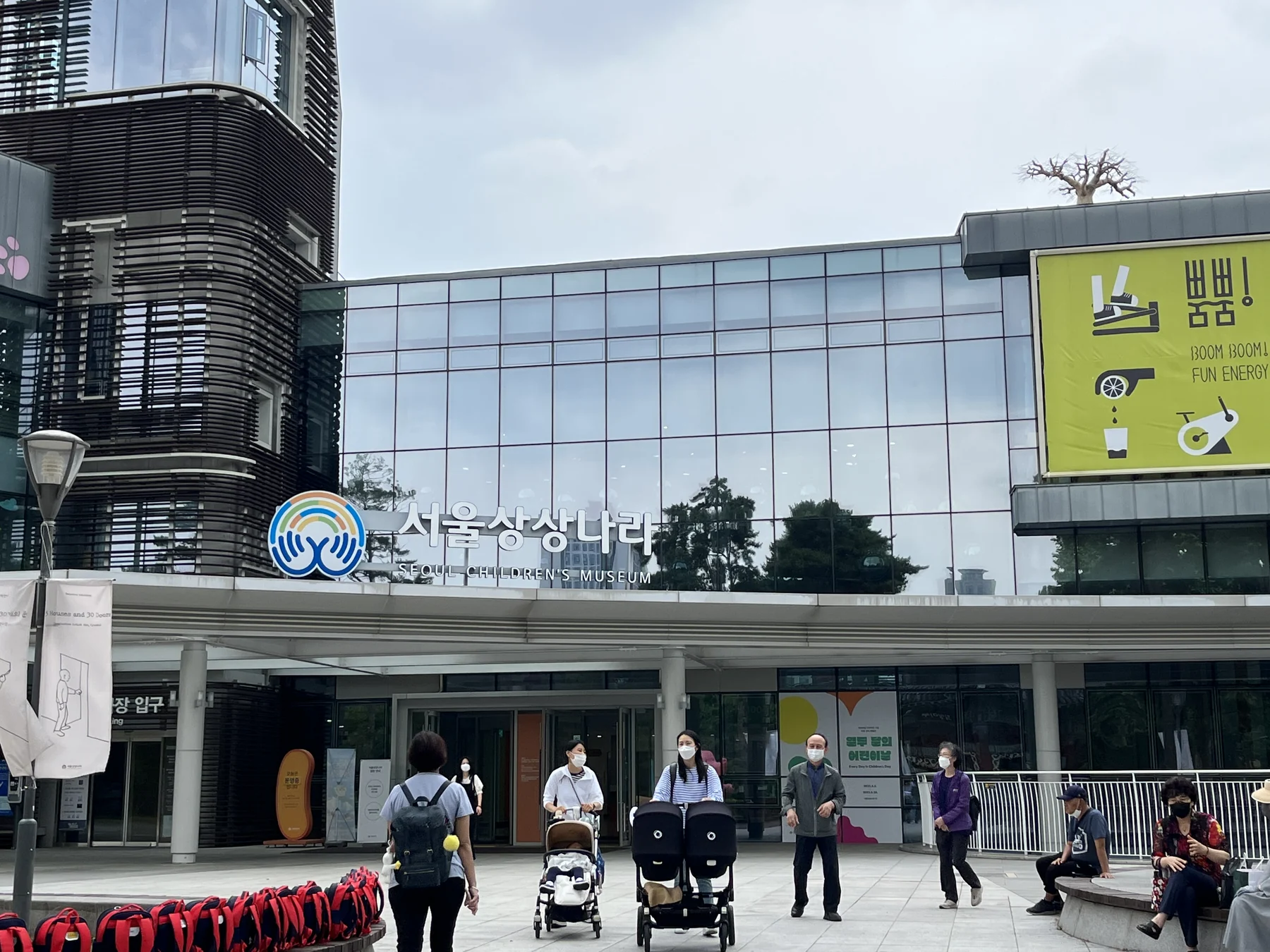
Families arriving at Seoul Children’s Museum, inside Seoul Children’s Grand Park
Photo by Peachy1234 · CC BY-SA 4.0

01 · The quick take · Seoul

Seoul With Kids: One Museum, One Big Park, Zero Cross-City Sprints

LocationSeoul · Gwangjin-gu
Trip lengthAbout 5–6 hours
Estimated steps4k–8k stepsMuseum, one park loop and exit

One museum, one park and lunch before everyone's patience runs out. Keep the stops close together and let the children decide how much afternoon remains.

For curious little mindsMuseum and park
For snack-break strategistsOne compact area
For plannersMuseum slot required
For reset momentsLunch and sit-down breaks
Tell me moreThe fuller guide · 13 min readHide the fuller guideReturn to the quick take

02 · The guide

The fuller picture.

One museum, one park and lunch before everyone's patience runs out: that is a workable family day. Seoul Children's Museum sits inside Children's Grand Park, so you can keep the stops in one area instead of spending the afternoon persuading children onto another train. Reserve the museum first, then let the zoo, playground and remaining energy decide what happens next.

01

Book the indoor anchor first

Make the reservation before making the promise: book through the museum's official personal-reservation page. The operator says reservations are online only and shows dates within a two-week window. Count every person, including anyone eligible for free admission; bring supporting documents for an under-36-month child or another exemption. A reservation is more important than trying to arrive first at the door.

The museum normally runs 10:00–18:00, with final admission at 17:00, and closes Mondays, January 1, Lunar New Year and Chuseok holidays, and maintenance periods. Adults without children may be restricted. As of this check, the museum has announced that a first-floor exhibition is being replaced September 28–November 6, 2026. Verify which floors are open for your date rather than assuming every installation pictured online will be available.

02

Arrive by the nearest gate

Keep the approach short: Line 7 to Children’s Grand Park Station (어린이대공원역), Exit 1, puts the museum about five minutes away on foot according to the operator. Arrive about 15 minutes before your reserved time for a restroom stop and ticket check. The address is 216 Neungdong-ro, Gwangjin-gu, Seoul.

Keep the museum session child-led. Pick two or three available play areas rather than marching through every floor. An indoor hour can easily become two when a child finds a favorite installation. If one child needs quiet, split into two groups briefly and meet at a known spot. Set a definite lunchtime before everybody gets hungry at once.

03

Lunch and the no-rush middle

A picnic is a practical option: the park authority permits packed lunches, with all waste taken away. Bringing a simple picnic or buying lunch near the main gate avoids searching for a particular restaurant in a large park with a tired child. Its map estimates 5–15 minutes from a gate to an internal facility and about 20 minutes from main gate to rear gate, before child-paced detours.

The official park facilities page lists nursing rooms at the main-gate customer center and several restrooms, stroller rentals at the main and rear gates, and a first-aid room near the main gate. Rentals have seasonal hours, weather limits, deposit and payment rules, so confirm them if a stroller is essential. These services do not imply the entire itinerary is step-free.
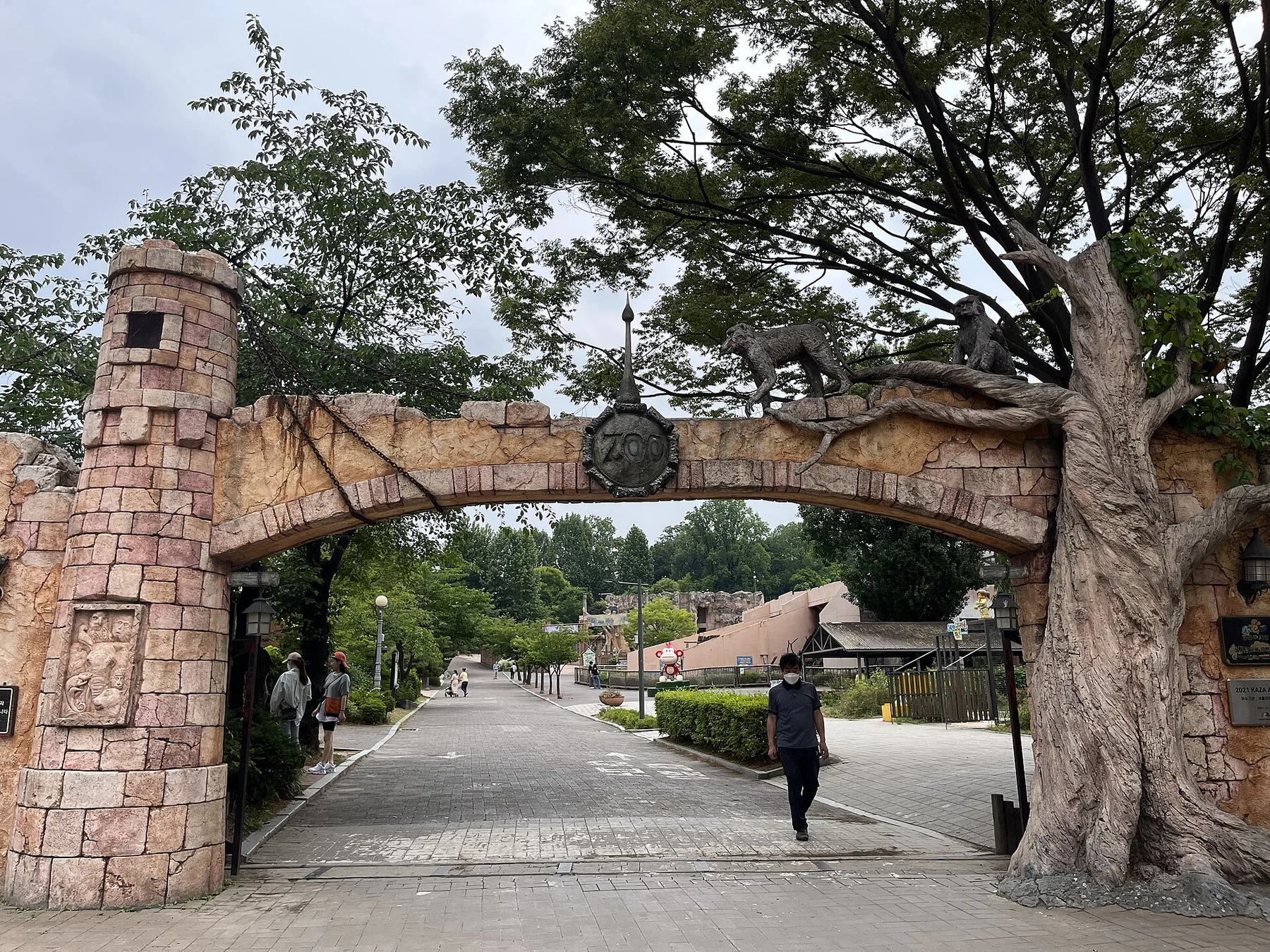
Stone arch at the zoo entrance inside Seoul Children’s Grand Park
Photo by Peachy1234 · CC BY-SA 4.0

The zoo is one possible afternoon inside Children’s Grand Park. Check its hours and animal-care notices on the day.

04

Choose one afternoon headline

Choose the zoo if animals are the main attraction for your child; stated hours are 10:00–17:00, but weather, temperature and animal care can keep individual animals off exhibit. Go after lunch, focus on a small area, and ask a child what they want to see next instead of crossing the park repeatedly.

Otherwise choose a playground from the park’s map, such as Adventure Land or the Wriggle-Wriggle Garden Playground. The rides near the rear gate are optional and paid separately; check height restrictions and operating times on the day. The botanical garden is currently closed and should not be offered as the rain plan.
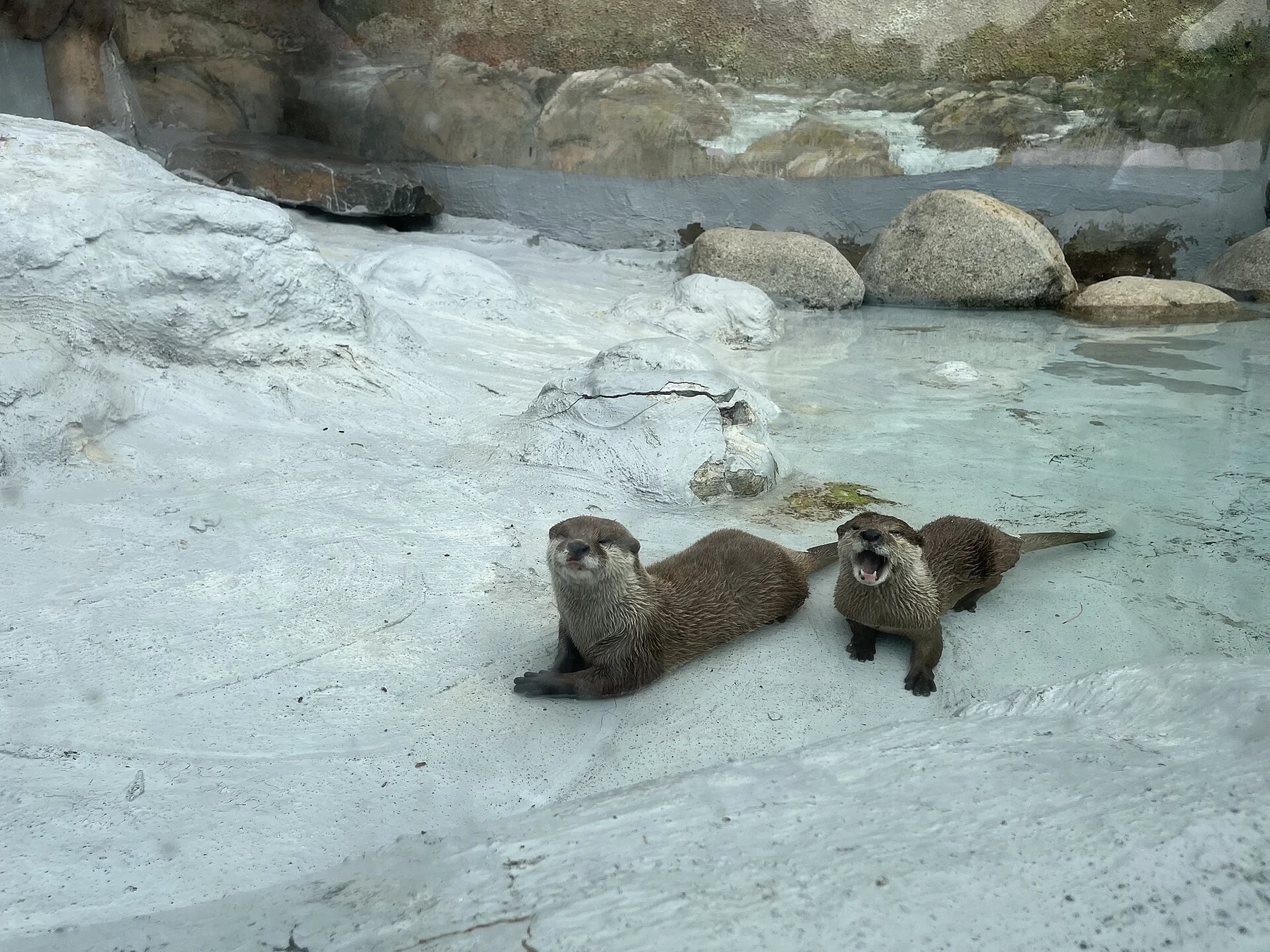
Otters pictured at Seoul Children’s Grand Park zoo
Photo by Peachy1234 · CC BY-SA 4.0

Otters at the park zoo in an earlier photograph. Which animals are visible can change with care and weather.

05

End while everyone is still enjoying it

At about 15:00, take an honest energy check: another half-hour or the journey home. Use the nearest open exit rather than walking the park’s full length merely to return to your arrival gate. Save the gate and the subway station in Korean on your map; a 20-minute adult traverse can be much longer with small children.

On a wet day, keep the reserved museum as the centerpiece and cut the zoo and playground. On a museum-closure Monday, do the park and zoo only if the weather works; it is a different trip, not the same reservation-free museum day. For infants or mobility needs, check individual paths, entrances and facilities with operators before calling any route fully accessible.

Check before you go

Official links and live information

Details last checked September 27, 2026. Entry rules, schedules, prices, transport coverage, and operating hours can change, so verify time-sensitive details before committing time or money.

Go deeperThe complete, copyable planHide the detailed planReturn to the fuller guide

The deep dive · About 5–6 hours

A Child-Paced Seoul Day: Museum, Lunch, Zoo or Playground

Keep one booking and one park as the day's anchors; the children will supply enough surprises. The example assumes a reserved 10:00 museum visit on a day when it is open. It deliberately avoids the currently closed botanical garden and leaves paid rides as a choice, not a promise.

StartChildren’s Grand Park Station Exit 1
FinishNearest convenient park gate
AllowAbout 5–6 hours
Estimated steps4,000–8,000 stepsMuseum, one park loop and exit

Planning estimate for the suggested walking sections, not a tracked route. Children’s steps and stroller distance differ; detours across the park add more.

Before you leave

Set up the day.

  • Reserve a 10:00 personal-entry slot on the Seoul Children’s Museum site for every member of your group. Check the current admission rate and bring age or discount proof for free-eligible visitors.
  • Save 어린이대공원역 1번 출구, 서울상상나라, and 서울어린이대공원 in a Korean map app. Check the museum’s first-floor replacement notice for September 28–November 6, 2026 and any new updates.
  • Pack drinking water, simple snacks or a picnic, wipes and spare clothes if planning water play. If you need a rented stroller, check the park authority’s rental hours, weather rule and deposit before relying on it.

Follow the route

Your plan, in order.

Times are suggested planning anchors. Copy the route, then adjust it for your date, opening hours, and pace.

  1. 09:45
    01

    Children’s Grand Park Station Exit 1

    Keep the first leg short: walk about five minutes toward the main gate and Seoul Children's Museum. Pause for the bathroom before your museum slot. An early arrival is less stressful than crossing a large park to reach the building.

  2. 10:00–11:30
    02

    Seoul Children’s Museum

    Map search: 서울상상나라

    Show your online reservation and any age/discount proof. Follow the child’s interests across two or three available play areas rather than trying to see everything. Check the operator’s first-floor exhibit closure before promising a specific installation.

  3. 11:30–12:00
    03

    Outdoor reset near the main gate

    Give everyone a drink, restroom stop and an unhurried transition into the park. Decide whether today’s child is interested in animals or a playground; one clear choice prevents backtracking.

  4. 12:00–12:50
    04

    Packed lunch or a main-gate meal

    The park permits picnics with rubbish removed afterward. If you did not pack food, choose an open restaurant near your current gate rather than trekking to the opposite side. Avoid scheduling a ride while children are still eating.

  5. 13:00–14:15
    05

    One zoo loop OR one playground

    For animals, enter the zoo during its usual 10:00–17:00 window and accept that any individual enclosure may be unavailable. Otherwise use the official park map to select one playground, such as the Wriggle-Wriggle Garden Playground. Do not try to do every animal and every play area.

  6. 14:15–14:45
    06

    Rest and snack

    Sit, refill water, find the nearest restroom, and look at the map together. Check whether it is a good moment to leave; fatigue is easier to manage before it becomes a meltdown.

  7. 14:45–15:30 · optional
    07

    A few rides OR one more play stop

    If your family still has energy, check the amusement-area ticket, height and operating rules on the day. Paid rides are separate from the park’s free entry. Otherwise choose a second short playground stop or leave immediately.

  8. 15:30–16:00
    08

    Exit through the convenient open gate

    Choose the gate that makes sense for your current position; the main-to-rear-gate walk is around 20 minutes at an adult pace, longer with children. Confirm the station and accessible path individually if needed.

Make it your trip

Useful changes.

  • Rain: use the already reserved museum as the main event, shorten the outdoor part and head to an indoor meal nearby. The park botanical garden is closed and is not a backup.
  • Monday or museum maintenance closure: postpone the museum portion. A park-only outing may still work in good weather, but it no longer follows the reservation-based plan.
  • Toddlers: do one exhibit area and one nearby outdoor loop; the full six-hour schedule is for families who want it, not a target to hit.

Sources checked September 27, 2026

Verify before you go

Schedules, admission, train availability, restaurant hours, and weather can change. The sources below are the starting points for final checks. Route times are editorial estimates.