Choose the weather you want to walk in before choosing the photograph you want to take. Korea has four distinct seasons, and the right one depends on whether your days mean palace courtyards, beaches, mountain trails or indoor stops. Compare heat, rain, daylight and crowds here; use the four seasonal Seoul plans for a day that still works when the blossoms miss your flight.
01
Spring: beautiful, busy, changeable
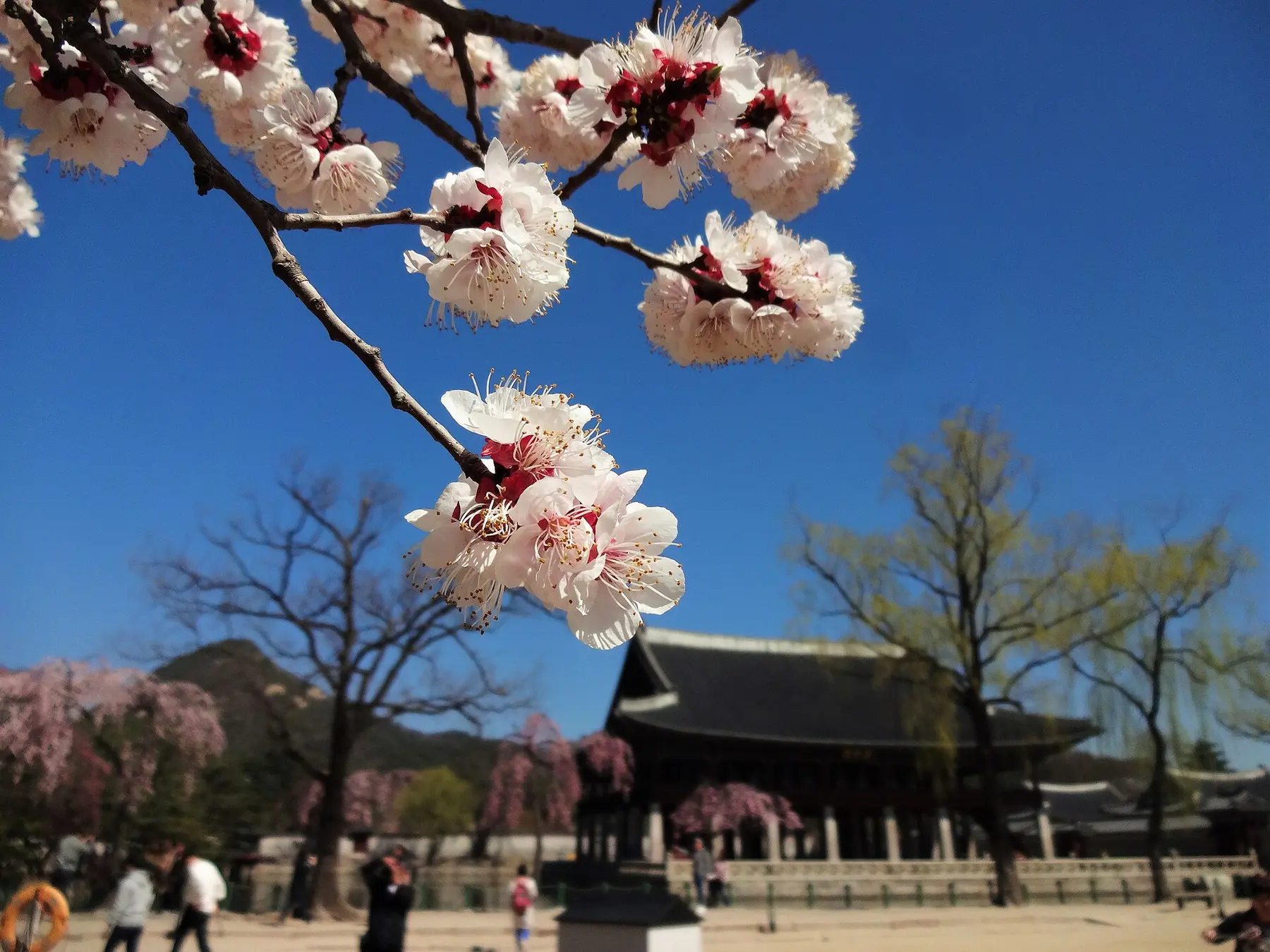
For spring walking, distinguish the months: March starts cool, April brings the classic blossom season in many cities, and May is greener and often more comfortable outside. Korea’s bloom season can stretch from early March in warmer southern areas into early May farther north or at elevation, so the country does not peak all at once.
Choose spring for palace walks, neighborhoods, cycling, and gardens. Pack layers and a light rain shell. If blossoms are central to the trip, select two or three landscapes that are worthwhile without flowers and monitor the official forecast rather than planning around one exact tree-lined street.
02
Summer: energy with a weather tax
Summer asks for a weather backup: June can be warm before the worst humidity, while July and August are typically hot, humid and affected by rainy-season conditions and possible typhoon disruption. Summer still has a strong case: long evenings, coastal travel, night markets, performances, and mountain shade.
Schedule outdoor sights early, place a museum or long lunch in the afternoon, and carry water plus a compact umbrella. Choose accommodation near a station so a storm does not turn every return trip into a project.
03
Autumn: the easiest first trip
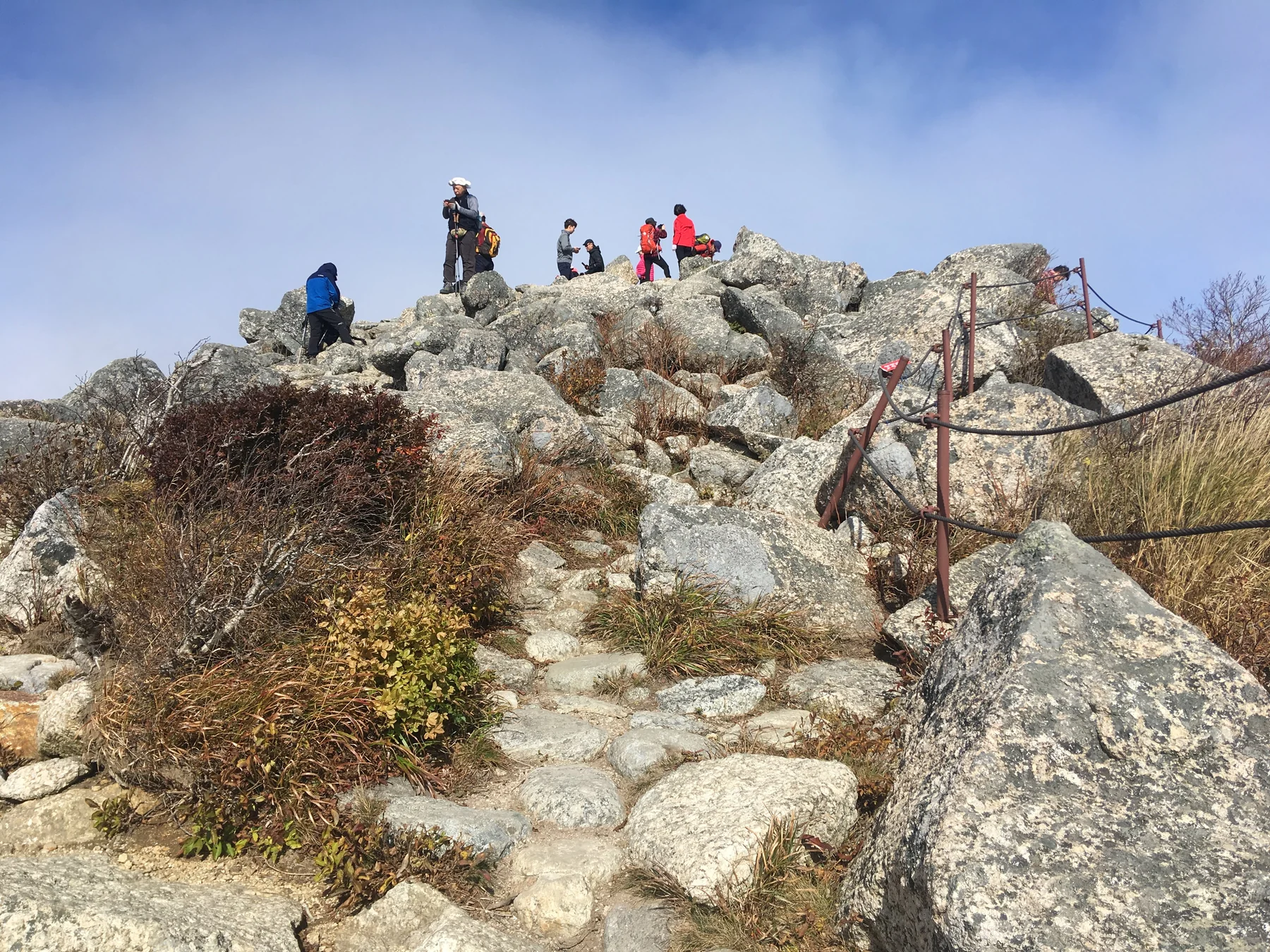
For a straightforward walking trip, autumn is a strong choice: September can still feel summery, October often suits city days, and November brings cooler air and later foliage in the south. Autumn’s clear conditions make it excellent for Seoul, Busan, historic cities, and national-park day trips.
The trade-off is demand. Long weekends, major festivals, and peak foliage dates can raise prices and fill trains. Book intercity transport and special stays early, but keep local walking days flexible enough to follow the best weather.
04
Winter: sharper, quieter, more deliberate
Choose winter deliberately: December through February is cold and dry, with very different conditions in Seoul, inland areas, mountains and the milder south coast. Choose winter for skiing, snow scenery, steaming food, quieter palaces, and a more local rhythm outside holiday peaks.
Bring a warm outer layer, gloves, and shoes that handle icy patches. Indoor heating can be intense, so breathable layers work better than one heavy piece. Short daylight makes geographic planning important: keep outdoor stops together and move dinner earlier.
05
Choose by what you will do all day
If most of your first trip will be on foot, start by comparing mid-April to May with October into early November. For beaches and nightlife, accept summer heat and plan recovery. For food, museums, cafés, and performances, almost any season works. For skiing or a quieter urban trip, winter can be excellent.
Check Korea’s official travel calendar for holidays and festivals before booking. Then compare climate normals, daylight, and the cost of your specific dates. The best season is the one whose inconveniences you can comfortably absorb.
Check before you go
Official links and live information
Details last checked September 25, 2026. Entry rules, schedules, prices, transport coverage, and operating hours can change, so verify time-sensitive details before committing time or money.