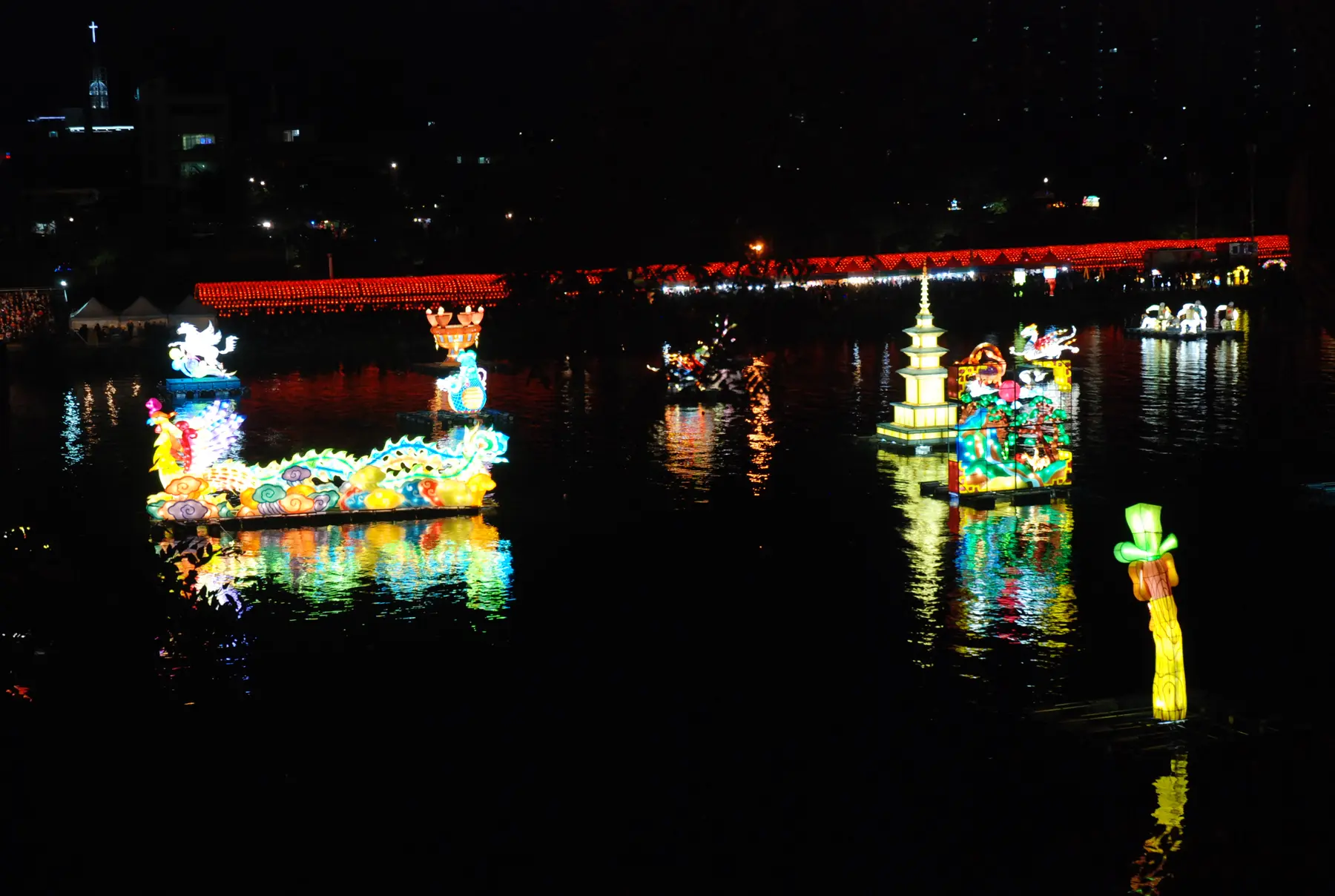
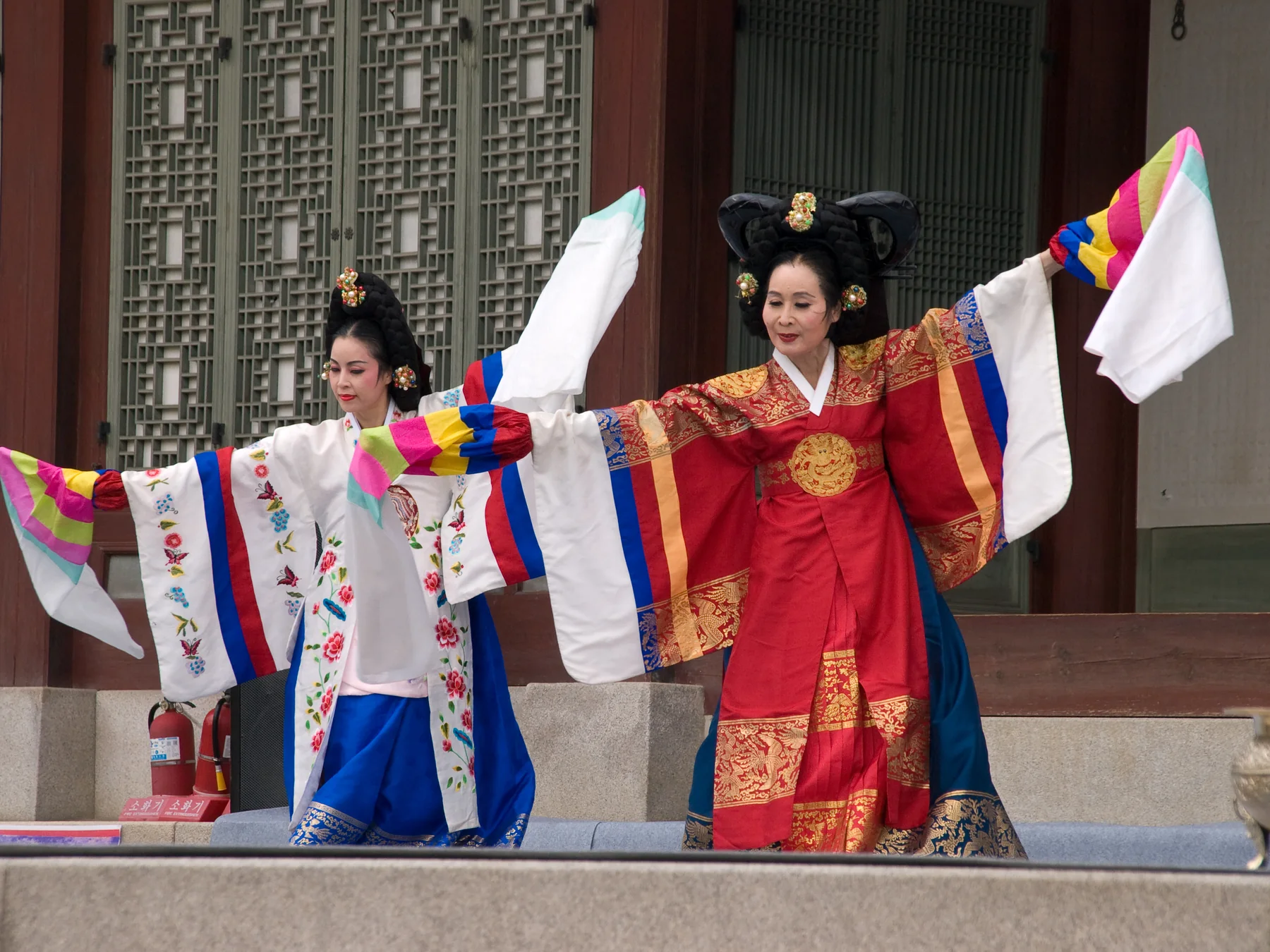
A percussion rhythm or a lantern-lit river can give your trip an evening you would never get from another shopping stop. The trick is choosing an event you can actually enjoy. Start with your date and city, then check language support, the exact hall and the way home. The companion plan turns those decisions into a National Gugak Center evening in Seoul.
01
Search in the right order
Start with a calendar you can trust: the official VISITKOREA Travel Calendar lets you filter festivals, performances and events. For stage productions, KOPIS is the national performing-arts database and is useful for seeing what is running by region and date. Once you find something promising, move to the organizer or venue page for the final time, price, age restriction, and booking method.
Search by the Korean venue or event name in your map app and save it before leaving Wi-Fi. Major venues often have several halls or entrances; a screenshot of the hall name is more useful than the English event title when asking staff for help.
02
Choose for your language comfort
You do not need to understand every word to follow traditional dance, samulnori percussion, orchestral music, contemporary dance or an outdoor procession. Pansori and theater can still be rewarding, but check whether English surtitles, a synopsis, or a multilingual audio guide is offered.
For a dependable first experience, look at established venues such as the National Theater of Korea or Seoul Arts Center. Their sites usually explain the production, seating, running time, and ticket collection more clearly than a social-media post.
03
Build a festival into the place
Give the event a neighborhood around it: a festival is more rewarding when it deepens a destination already on your route. Pair a palace-area performance with Jongno, a riverside event with an afternoon along the Han River, or a regional festival with an overnight stay rather than a rushed same-day detour.
At large festivals, choose one signature program and one unstructured hour. Arrive early enough to learn the layout, eat before peak queues, and notice smaller demonstrations or neighborhood businesses. Trying to complete the entire program usually means spending the day in lines.
04
Book with the exit in mind
The ticket is only part of the evening: check mobile-ticket acceptance, will-call location and late-entry rules before paying. Arrive about 30 minutes early at an unfamiliar venue. Many auditoriums will not seat latecomers until a designated break.
For outdoor events, check the last subway or bus before the headline act begins. A temporary road closure can move bus stops and create a long walk after the program. Keep a backup taxi pickup point one or two blocks away from the crowd.
05
Know the small courtesies
Leave room for everyone else's evening too: follow photography rules, silence your phone and stay seated during a number unless staff direct you. At standing events, keep walkways clear and do not raise a camera continuously above the people behind you.
Outdoor programs are often weather-dependent. Recheck on the morning of the event, carry a compact layer, and give yourself permission to leave early if the crowd or weather changes the experience. A good cultural night should add texture to the trip, not consume the next day.
Check before you go
Official links and live information
Details last checked September 25, 2026. Entry rules, schedules, prices, transport coverage, and operating hours can change, so verify time-sensitive details before committing time or money.