You have paid for the hotel. The train is booked. Now comes the smaller question that can follow you around Seoul: how will you pay for lunch, the subway and that market snack? A sensible starting point is a working foreign card, a second card kept separately and enough Korean won for cash purchases and a payment problem. You can add more cash as you discover what your own days require.
01
Choose the payment method before the queue
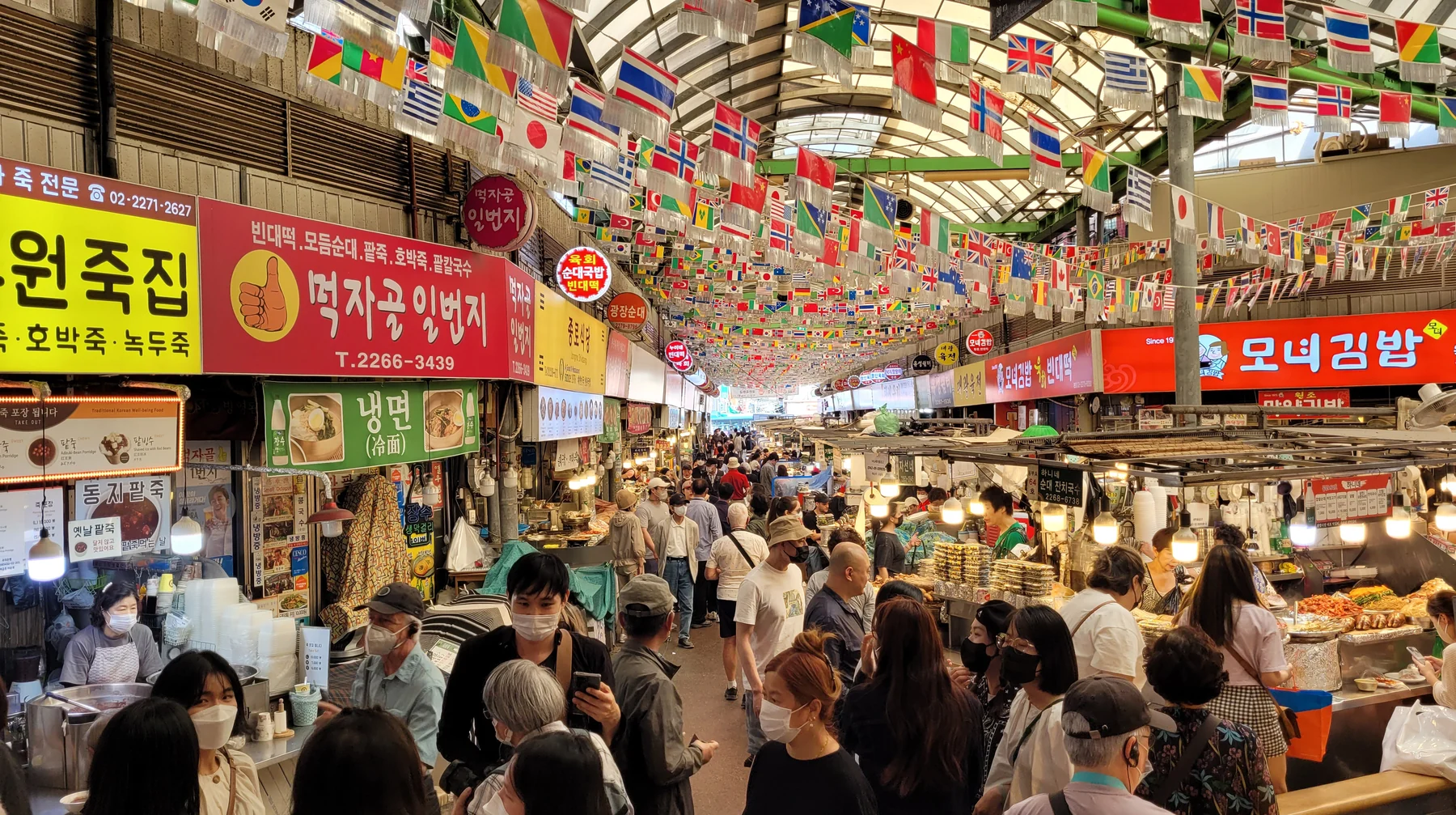
Card acceptance is widespread in Korea, including hotels and general shops, according to the Korea Tourism Organization. That is a useful default, not a guarantee for every terminal, card or online checkout. Ask before ordering when you are unsure, and keep the physical card available even if you usually pay with your phone.
Use the table as a starting decision. A shop payment, a transit-card top-up and an online booking are different transactions; success with one does not establish that the others will work.
| Situation | Start with | What to check |
|---|---|---|
| Hotel, shop or restaurant | Your foreign card | Accepted network; physical card if phone payment fails |
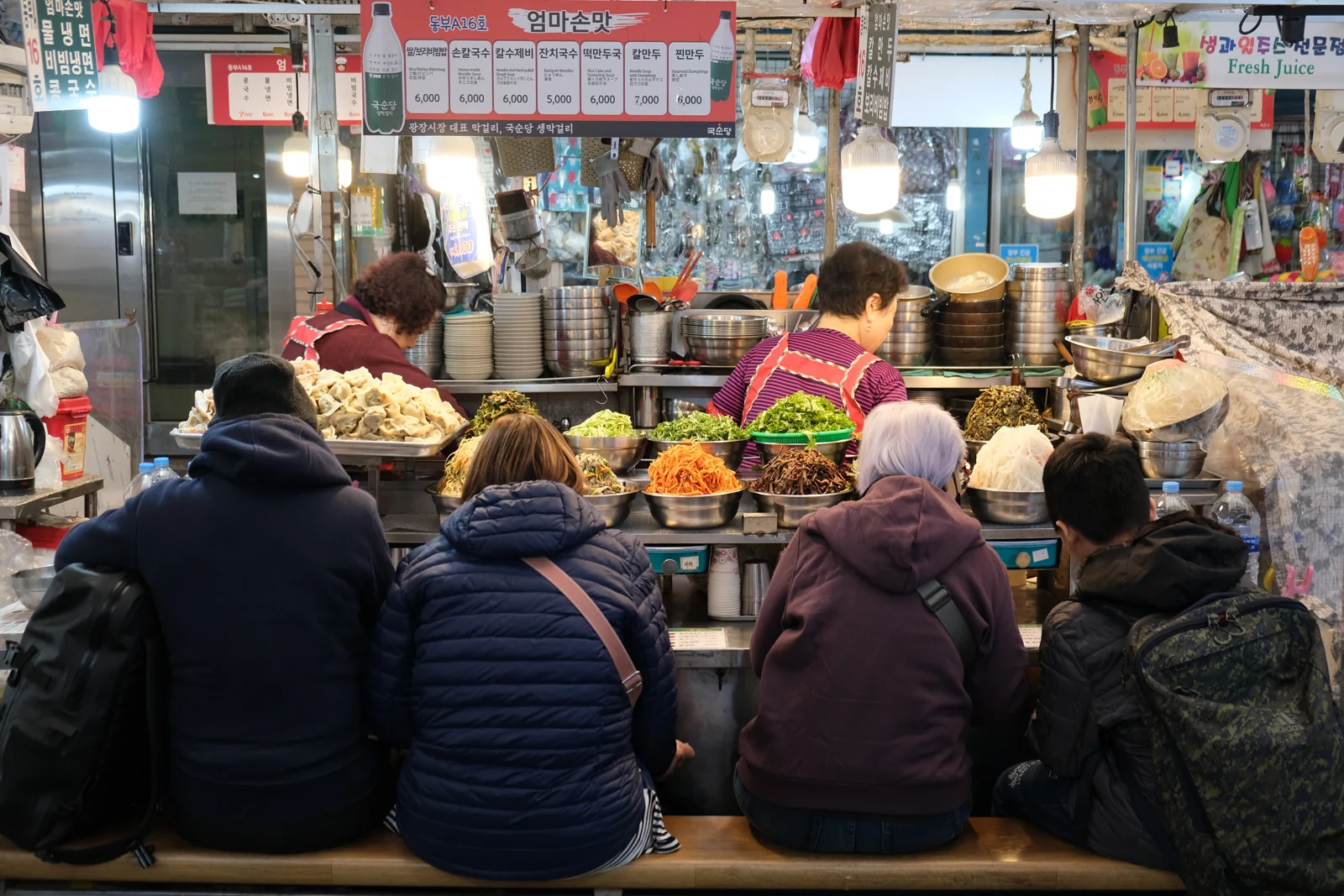
| Market stall or street-food purchase | Ask first; keep small won notes | Card acceptance before ordering |
| Standard physical T-money top-up | Korean won cash | The card and amount to add, separately from purchases |
| Climate Card short-term pass or single-journey ticket | Foreign card at a supported new station machine | Product, coverage and displayed service fee |
| Online reservation | The official international booking route | Foreign-card support and successful confirmation |
| ATM withdrawal | A withdrawal-enabled card at a Global ATM | Network logo, fee, limit and currency choice |
02
How much cash should you start with?
Treat cash as one part of your spending budget. If you withdraw ₩100,000, you have moved money into your wallet; you have not added ₩100,000 to the trip cost. Hotels, flights, shopping and prepaid tickets are outside the starter amounts below.
For a card-led Seoul visit, these examples give you something concrete to adjust. The transit allocation is an amount to load initially, not a quoted fare or a full-week transport estimate. The family example assumes two adults and children aged 7 and 10; child fares depend on age registration and the product used.
| Travelers | Initial transit loads | Cash purchases | Reserve | Starter total |
|---|---|---|---|---|
| Solo traveler | ₩20,000 | ₩30,000 | ₩50,000 | ₩100,000 |
| Couple | ₩40,000 | ₩60,000 | ₩50,000 | ₩150,000 |
| Family of four | ₩60,000 | ₩90,000 | ₩50,000 | ₩200,000 |
03
Keep ordinary T-money and station ticket payments separate
A standard physical T-money card holds a prepaid balance. For a straightforward top-up, take the card and Korean won to a participating convenience-store counter or station machine, specify the amount and check the new balance. Tmoney advises that cash remains the dependable option for physical cards; methods vary by product and location.
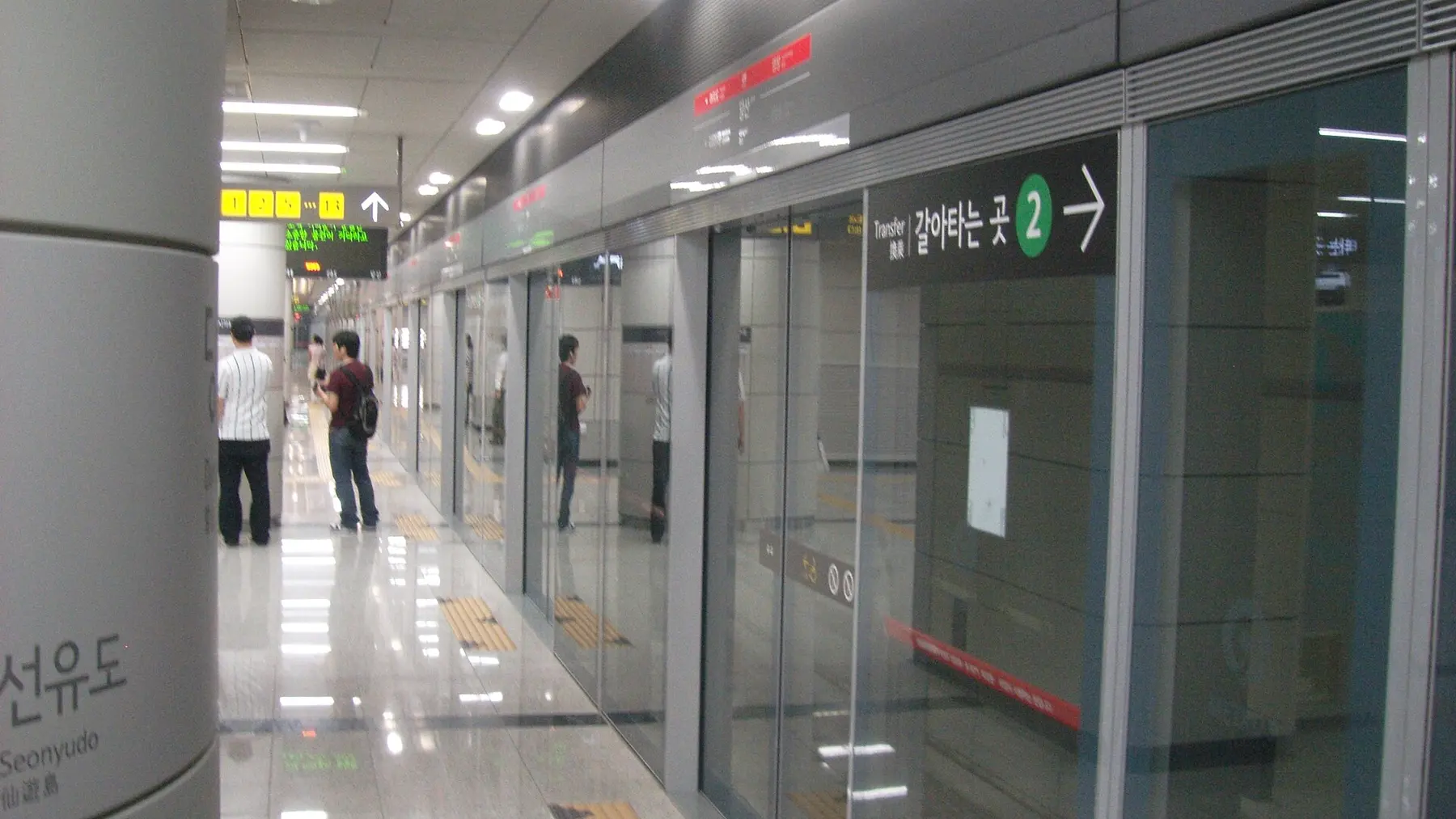
Seoul announced foreign-card payment at new ticket machines from March 17, 2026, for single-journey tickets and Climate Card short-term passes. The announcement covers selected machines on Lines 1–8 and reports an average service fee of 3.7%. Check the amount displayed. It does not establish universal foreign-card top-ups for ordinary physical T-money cards.
A Climate Card is a pass with its own service coverage. Buying a subway ticket by credit card also does not mean your bank card can be tapped directly at the gate. Choose the transit product first, then use its supported payment method. Mobile services have separate requirements; test the exact app, device and funding card before relying on them.
04
Get won without making exchange rates the whole afternoon
You have two straightforward routes: exchange foreign banknotes at a bank or authorized exchange service, or withdraw won at an ATM that supports your overseas card. Bring your passport when exchanging money and ask what amount you will actually receive after charges. Compare the final won amount for the same foreign-currency sum.
For an ATM, look for Global ATM or Global Service and your card network logo. An English menu helps, but you still need overseas-card support. Choose the foreign-card option, follow the withdrawal prompts and read the fee before approving. Account labels and the order of screens vary, so select the option your issuer instructs you to use.
Check your own issuer’s overseas withdrawal access, daily limit and fees before flying. The machine may charge its own fee as well. There is no single ATM fee or withdrawal limit that applies to every traveler. Avoid withdrawing a very large sum merely to reduce the number of visits; choose enough for your planned cash needs and a manageable reserve.
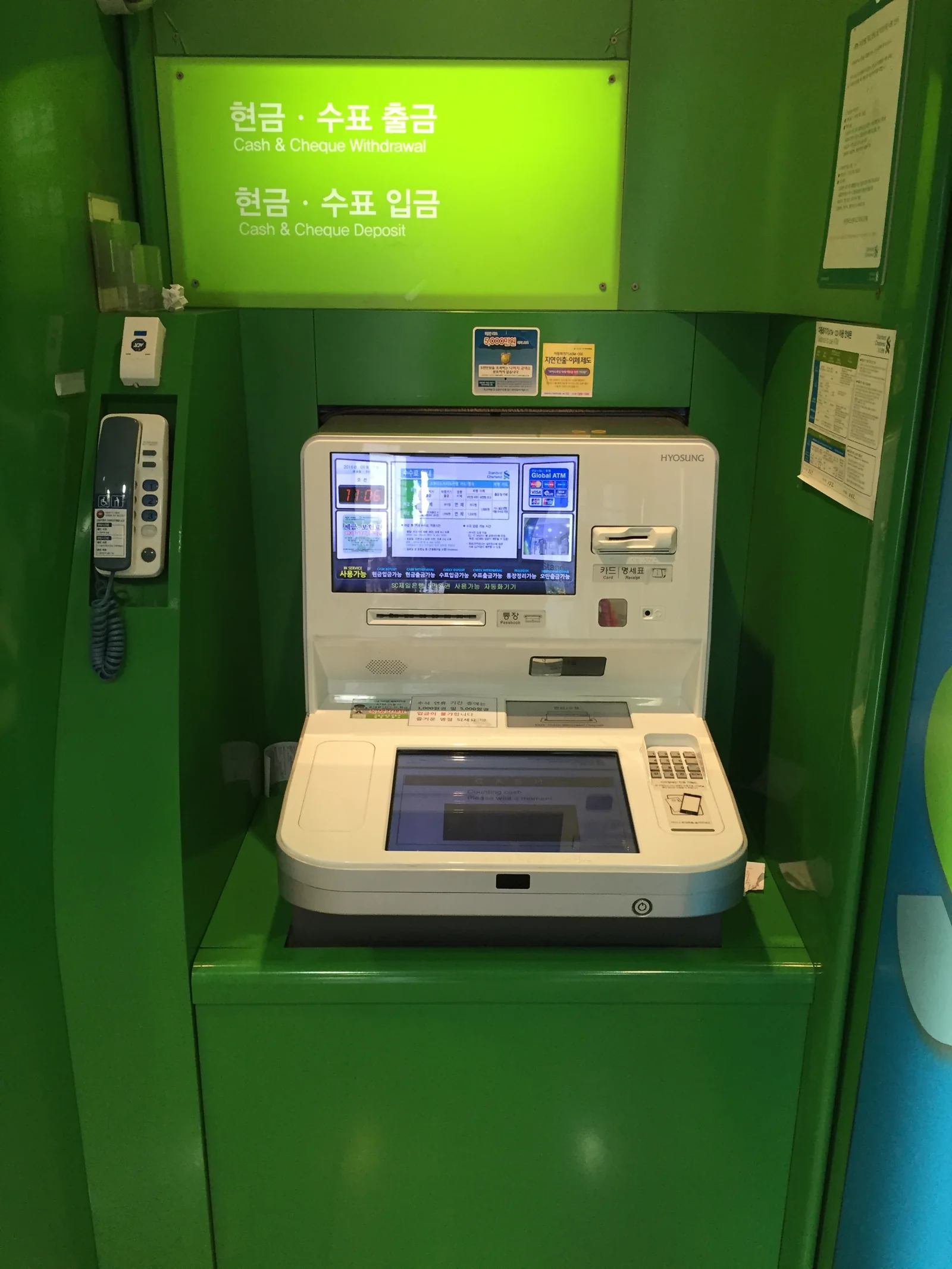
A Hyosung ATM in Seoul, photographed in September 2016. Archive illustration, not a guide to current fees, foreign-card acceptance or screen prompts.
05
When the screen offers won or your home currency
A terminal or ATM may offer to convert the payment into your home currency. This is dynamic currency conversion, usually shortened to DCC. It can include a provider’s exchange rate and additional charges. Visa says the conversion rate and fees should be shown and the choice should be yours.
Our practical default is to choose KRW, Korean won, and decline the provider’s conversion unless you have compared the full costs. Your card issuer or network then handles the currency conversion under your card’s terms. Paying in won does not remove your issuer’s foreign-transaction fees.
At an ATM, declining currency conversion is different from canceling the cash withdrawal. Read the choices carefully. If the costs are unclear or you are pressured to accept conversion, cancel and use another payment route. Keep the receipt so you can compare it with your account later.
06
If a card is declined, work through one clear sequence
First, ask staff whether the terminal accepts foreign cards and the network shown on yours. If phone or contactless payment failed, ask to try the physical card through the terminal’s supported method. Check your issuer’s app for a blocked transaction or approval request.
Then try your backup card, ideally from another issuer. If payment still fails, use cash for a small purchase or agree another supported method before proceeding. Do not leave a restaurant payment unresolved while going to find an ATM; explain the problem and agree the next step with staff.
For an online booking, verify whether a completed payment and confirmation exist before trying again. A pending authorization is not always a finished booking. Use the international checkout or contact the venue rather than repeatedly submitting the same payment. Keep enough information for your issuer to investigate: merchant, time, amount and currency.
07
Turn a trip budget into a daily payment plan
Start with our Korea trip-cost guide to estimate what the trip costs. Then remove the expenses you have already paid and split the remaining amount into planned card spending and cash needs. The cash-and-card decision changes where the money sits, not how many meals or hotel nights you buy.
For example, suppose you set aside ₩60,000 for a day’s meals, transport and small purchases. If ₩20,000 will be paid in cash and ₩40,000 by card, the day still costs ₩60,000. A cash withdrawal fee, if charged, is an additional cost. These numbers illustrate the method rather than quote a typical Seoul day.
Review the cash left in your wallet and transit balances after the first two days. Keep topping up in amounts you expect to use rather than funding the entire trip immediately. Before departure, check the applicable refund process for your exact transit product; card purchase costs, fees and refund rules differ. The companion checklist puts the main steps in one place.
Check before you go
Official links and live information
Details last checked October 9, 2026. Entry rules, schedules, prices, transport coverage, and operating hours can change, so verify time-sensitive details before committing time or money.
- Korea Tourism Organization: currency, card acceptance and authorized exchange
- Tmoney official blog: physical-card top-ups and payment methods
- Seoul Metropolitan Government: foreign-card ticket payments, March 17, 2026
- Visa: understanding currency conversion at shops and ATMs
- Seoul Metropolitan Government: Financial Guide Book for Foreigners, Global ATM guidance
- Korea Tourism Organization: transportation cards and passes