The best souvenir is sometimes the one you stop calling a souvenir. A cup becomes your Tuesday-morning cup. A small box acquires earrings, spare buttons and a very important key whose purpose nobody remembers. A cloth that carried a present comes out again for the next birthday.
That is the sort of Korean craft I would make room for: something with a lovely detail and a job to do. You do not need to become a ceramics expert or furnish a hanok. Start with one ordinary moment at home, then find an object that makes it a little more enjoyable.
There is a timely excuse to look. The Today Tradition Festival runs November 12–15, 2026 at Culture Station Seoul 284, bringing a traditional-culture product market, performances, media art and experiences into the former station. But you can also make a quieter craft-shopping afternoon around Anguk and Insadong throughout the year.
Here are five directions worth exploring, how to choose between them, and the small questions that turn an attractive object into a purchase you will be glad to unpack.
01
Start with a habit, not a shopping list
Think about what you already enjoy. If you make tea every afternoon, look at cups. If you are always wrapping presents, look at cloth. If your bedside table is a loose collection of rings and hair ties, a little lidded box has a promising future.
This gives you a useful way to browse without turning the day into a mission. An object does not have to display a palace, a flag or the word Seoul to hold a memory of Korea. The shape, material and moment of choosing it can do that perfectly well.
Nor does everything have to be a museum-quality investment. A modest object with an identifiable maker or a clear explanation of its materials can be a satisfying place to start. Traditional technique and contemporary design are not opposites; the pleasure is often in finding where they meet.
| Your everyday pleasure | A good place to start | The useful buying question |
|---|---|---|
| Tea, coffee or a small meal | A ceramic cup, bowl or dish | Is this intended for food, and how should I wash it? |
| Wrapping and giving | Bojagi or another reusable wrapping cloth | What is the fabric, and is it large enough for my gift? |
| A small bit of order | A mother-of-pearl box or compact | What are the base material and surface finish? |
| Paper, writing or soft light | Hanji stationery or a paper light shade | How is it constructed, and how should it travel? |
| Color without much luggage | A maedeup ornament or small accessory | Is the cordwork handmade, and how is the fitting attached? |
02
Ceramics: choose the cup you want to reach for
A beautifully proportioned cup is a very persuasive argument for another tea break. But the cup you admire on a shelf and the cup you enjoy drinking from may be different things. With the seller’s permission, hold it. Notice the weight, the curve of the rim and whether the handle suits your hand.
Dagi (다기) means tea ware. You will also see cheongja (청자), celadon; baekja (백자), white porcelain; and buncheong (분청), a ceramic tradition associated with white-slip decoration. Treat those names as starting points for conversation, not price grades. Contemporary makers borrow, combine and reinterpret older forms.
For a first purchase, one cup or a small dish can be more useful than a full service. Picture what it will hold: tea rather than a large morning coffee, a handful of nuts rather than an entire dinner. Size is easier to judge when you have a real use in mind.
Ask whether the particular piece is food-safe, microwave-safe and dishwasher-safe. A handmade appearance does not answer any of those questions. If you are buying it as a gift, ask for the care instructions in writing so the recipient can enjoy it without conducting their own investigation.
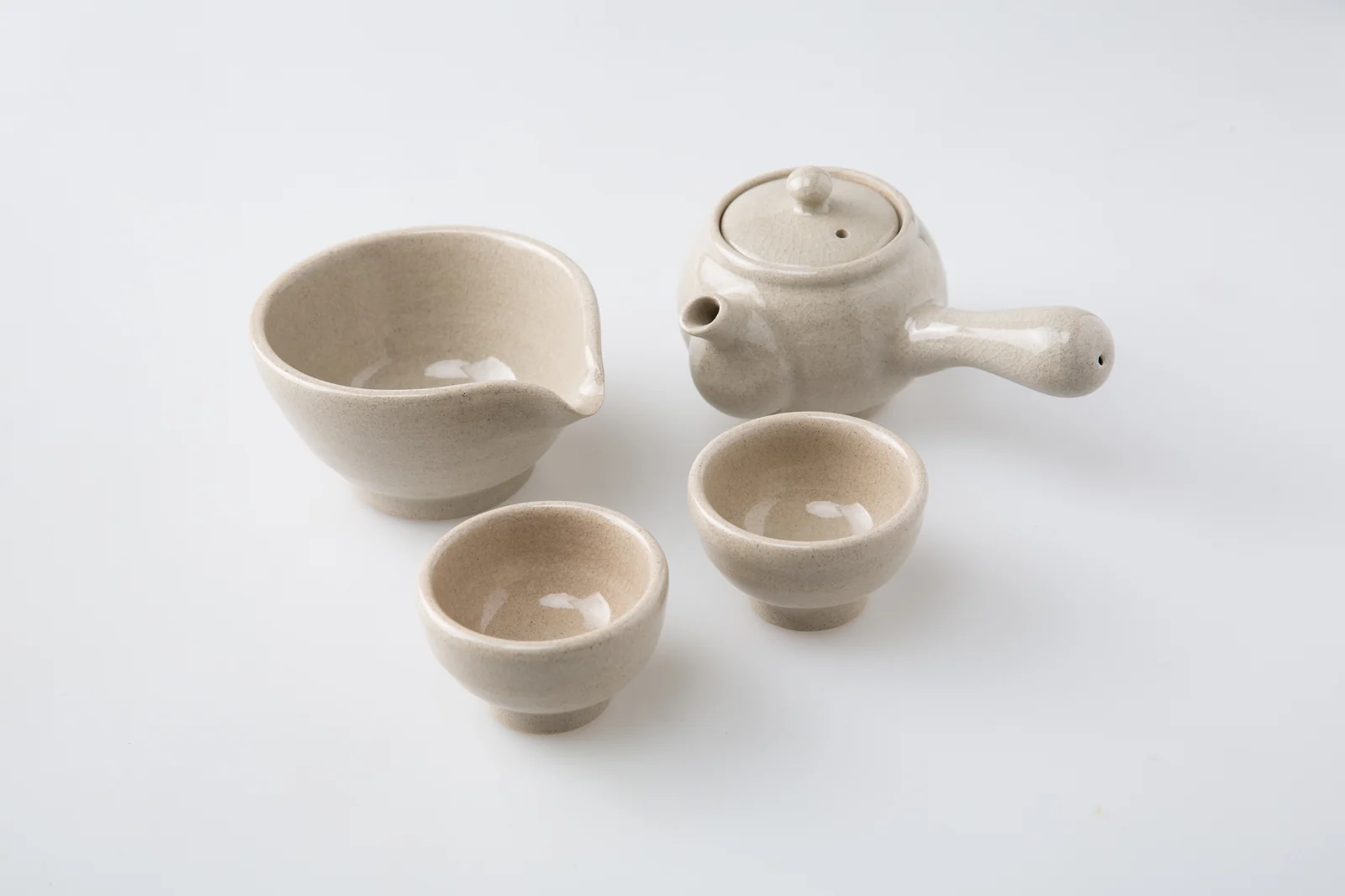
A tea set built around small, unhurried pours. December 2013.
03
Bojagi: the wrapping can be part of the gift
Bojagi (보자기) is a wrapping cloth. Jogakbo (조각보) refers to patchwork wrapping cloth, pieced together from smaller sections of fabric. Some are quiet compositions of pale squares; others make a very cheerful case for putting pink next to orange.
The appeal is wonderfully practical: fold it flat for the flight, then use it to wrap a box or carry a present. A cloth chosen for wrapping is a different purchase from a delicate textile bought to display. Let the seller know which you have in mind.
Compare the material, stitching, edges and size. Silk, cotton and other fabrics behave differently, and a printed patchwork pattern is not the same construction as joined pieces. Neither choice needs an apology. You simply want the description and the price to match what you are buying.
If the shop offers to demonstrate a knot, take the little lesson. Photograph the steps with permission or keep the folding guide. The cloth becomes much more useful once you know how to persuade its corners to cooperate.
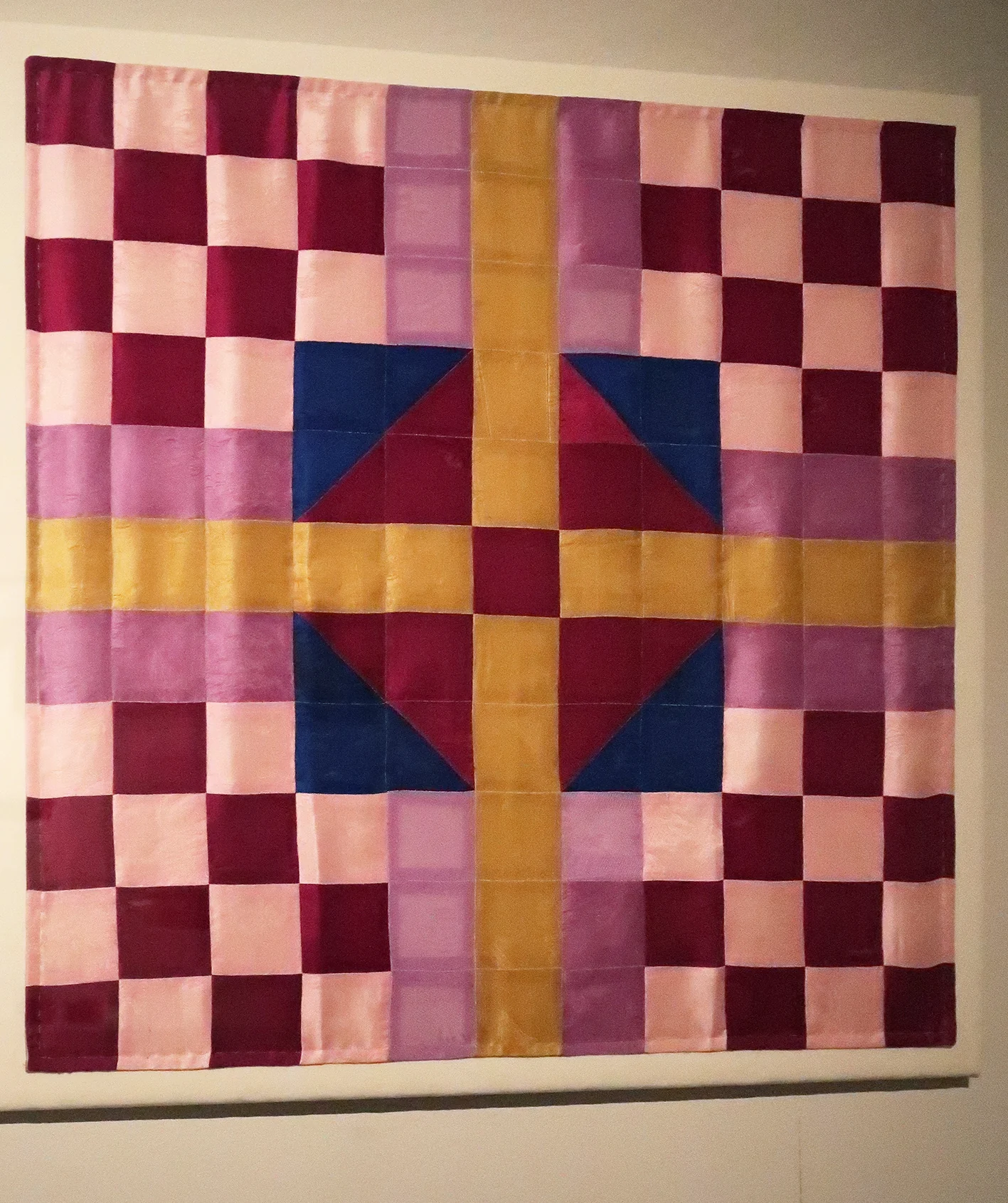
Color becomes structure in this 1997 silk bojagi. Photographed in Lyon, 2019.
04
Mother-of-pearl: a small box with a lot of light
Mother-of-pearl catches the light differently as you turn it. That is part of the pleasure of najeon (나전): shell inlay makes a surface change with your angle of view. In najeonchilgi (나전칠기), the inlay belongs to a lacquered object.
A small box, compact or card case gives you the effect without asking you to rearrange your furniture. Look at the design in daylight if possible, then close and open the object. The hinge, lining and clasp matter just as much as the shimmer if you plan to use it daily.
Ask about the shell, base material and finish. A traditional lacquered wooden piece, a contemporary resin-finished object and a printed imitation are different products, even when their patterns look similar in a quick photograph. A clear label is much more helpful than a vague claim of authenticity.
The recent photograph here shows Lee Jong Yoon demonstrating Korean mother-of-pearl craft in Budapest in August 2026. Seeing a maker at work brings the scale of it home: small surfaces, carefully placed details and a great deal to notice in an object that fits in your hand.
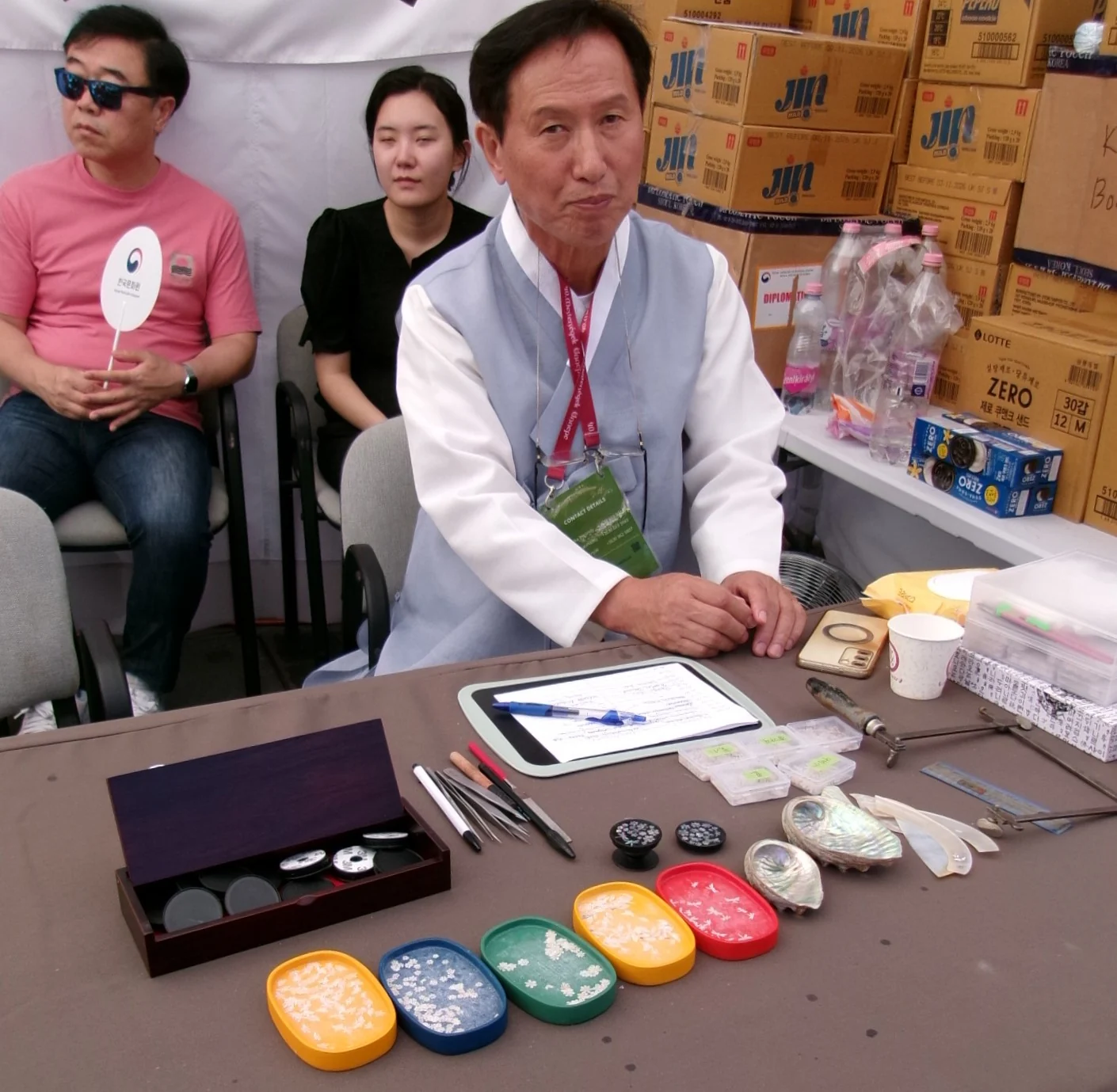
Lee Jong Yoon brings Korean mother-of-pearl craft to Budapest. August 2026.
05
Hanji and knots: small things with personality
Hanji (한지), traditional Korean paper, is made with paper-mulberry fiber and distinctive papermaking techniques. Look beyond the idea of a sheet of paper. Stationery, boxes and light shades show how a material can move between writing, storage and atmosphere.
A notebook or a few sheets are an easy starting point if you enjoy paper. Check the surface against the pen or medium you intend to use, ideally with a sample supplied by the seller. A paper-covered box is another possibility if you like texture but do not need a new writing habit.
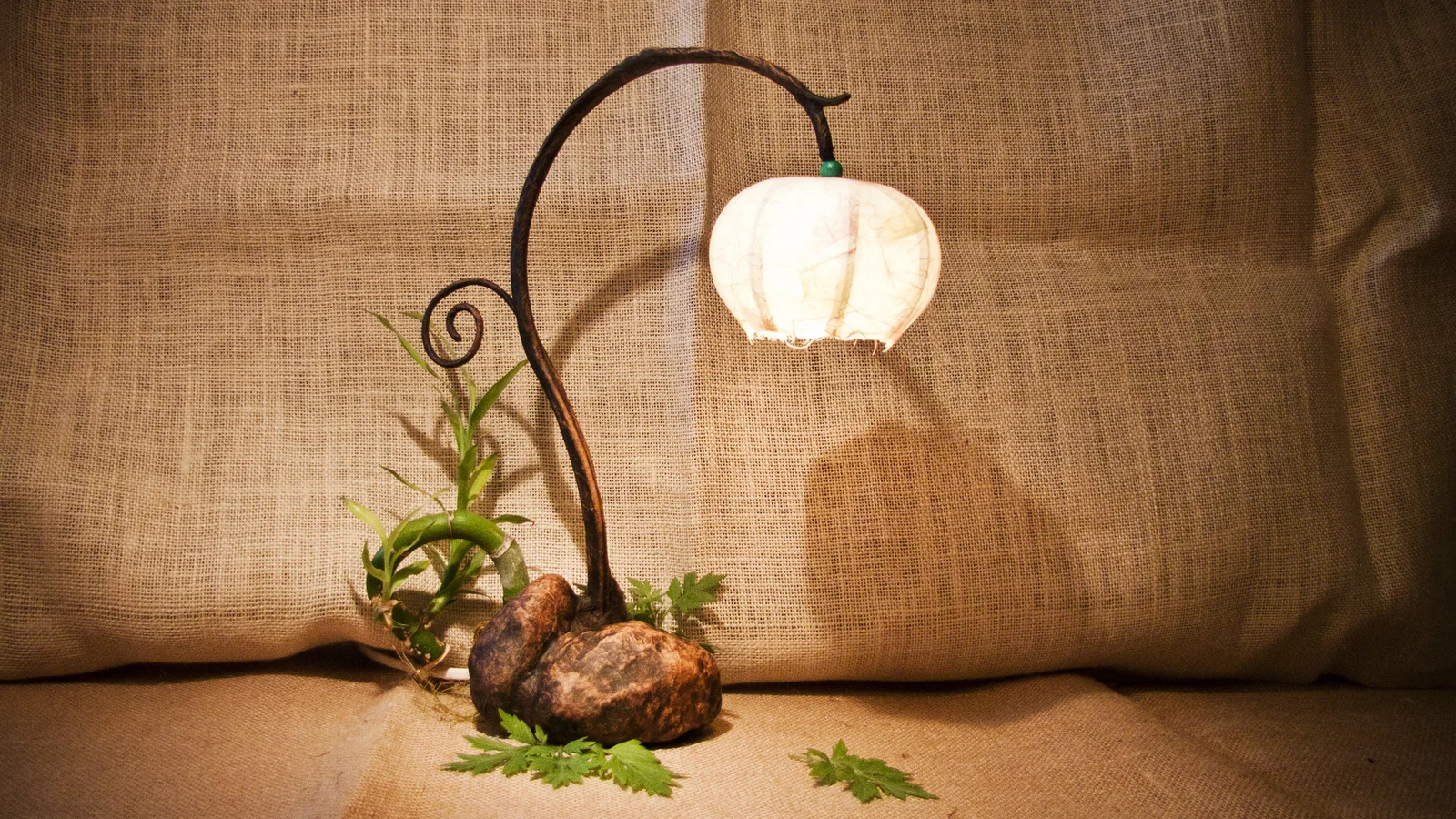
A hanji lamp can be lovely, although it deserves more planning than a notebook. Ask whether the shade separates, how it is packed, and whether any electrical components are suitable for your home. A small paper object is the simpler choice when the suitcase is already negotiating for mercy.
Maedeup (매듭), Korean decorative knotting, offers a different kind of detail: color, cord and structure in a very small space. A short ornament or accessory can add character to a bag without becoming the whole bag. Examine where the knot meets its clasp or ring, and choose a length that will not constantly catch on things.
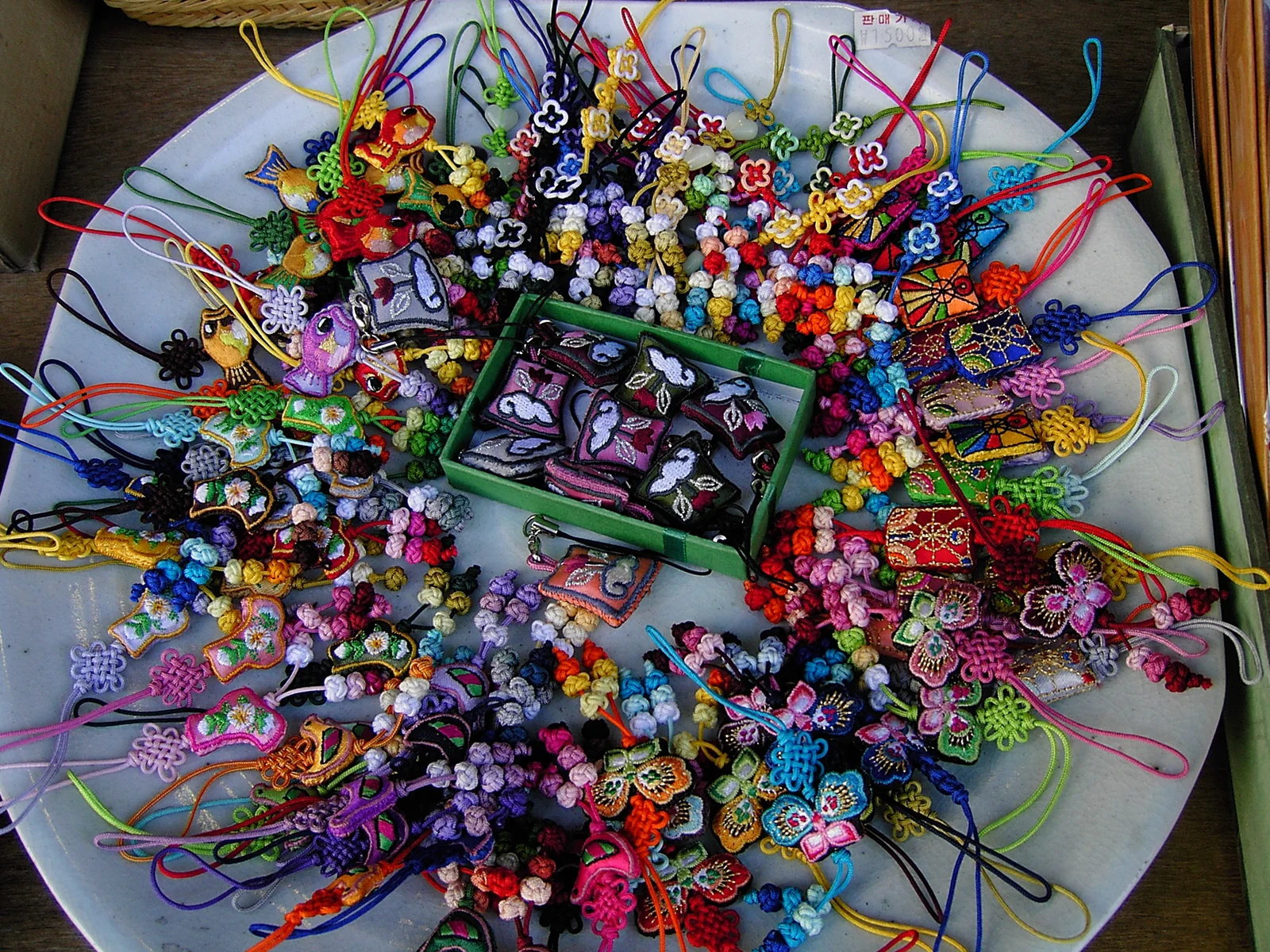
A whole palette of small maedeup ornaments. March 2005.
06
A good Seoul afternoon: look first, shop second
The Seoul Museum of Craft Art near Anguk is a rewarding place to begin. Its permanent displays include embroidery and wrapping cloth, alongside a wider history of craft. Looking at a few older objects first can sharpen your eye for the contemporary ones you meet afterward.
Save 서울공예박물관, at 4 Yulgok-ro 3-gil. The museum lists Anguk Station, Line 3, Exit 1 as the nearby approach. General admission is free. Standard exhibition hours are 10:00–18:00, with last admission thirty minutes before closing; Monday is normally the closing day, with public-holiday exceptions. Selected buildings have extended evening hours through November 30, so use the museum’s current timetable if you want a later visit.
From there, browse toward Insadong and Craft Garden (공예정원), the KCDF gallery shop at 8 Insadong 11-gil. The shop’s own visitor page lists Tuesday–Sunday, 10:00–19:00, with Monday, New Year’s Day and the main Seollal and Chuseok days closed. It brings together work by Korean craft makers, which makes it a useful place to compare materials and forms.
I would allow two to three hours for a selective museum visit, a little browsing and a tea break. That is a suggested pace, not a measured tour time. Choose one or two rooms that interest you, then leave enough attention for the shops. You are looking for an object you like, not trying to pass an exam in Korean craft.
The museum shop is another browsing option, but its schedule can differ from the exhibition buildings. Keep the museum and shop visits in the daytime and the plan stays pleasantly simple.
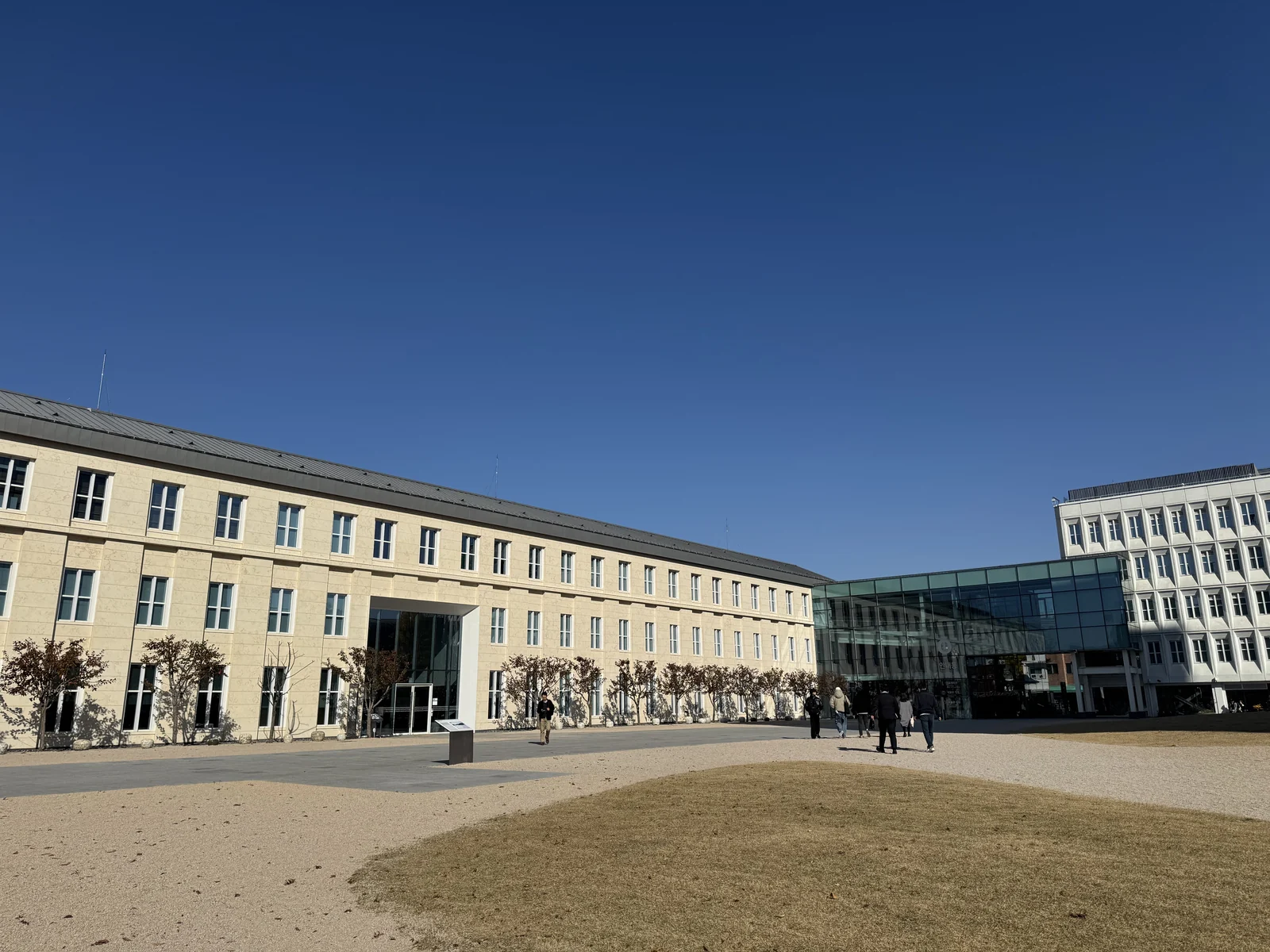
Start with a little looking at the Seoul Museum of Craft Art. November 2024.
07
This week: Today Tradition Festival at Seoul Station
For November 12–15, 2026, there is another way in. Today Tradition Festival: Bokjak Bokjak (오늘전통축제: 복작복작) fills Culture Station Seoul 284, the restored former Seoul Station building, with a traditional-culture product market, media art, performances and experiences.
The premise suits this kind of shopping: tradition as something people use and reinterpret now. Rather than arriving determined to find every craft in this guide, choose a material that interests you and see what the participating makers have done with it.
The venue confirms free general admission, 10:00–18:00, with last entry at 17:30. The program lists both advance-registration and on-site activities. If a workshop catches your eye, check its language, booking arrangements and session details before building the afternoon around it.
Save 문화역서울284, 1 Tongil-ro, Jung-gu, and head for the old station building beside the modern Seoul Station complex. It is a separate outing from the Anguk–Insadong browsing plan, not another stop to squeeze into the same shopping afternoon.
If your trip falls after November 15, use the museum-and-shop approach instead. The festival provides a dated reason to explore, but the pleasure of finding a good cup or a beautifully made box is not confined to four days.
| Detail | What to plan around |
|---|---|
| Dates | November 12–15, 2026 |
| Venue | Culture Station Seoul 284, 1 Tongil-ro, Jung-gu, Seoul |
| Hours | 10:00–18:00; last admission 17:30 |
| General admission | Free; purchases and individual activity arrangements are separate |
| A sensible visit | Browse the market, choose one program if it interests you, then take a break |
| Before you go | Check the official program for registration, language and session details |
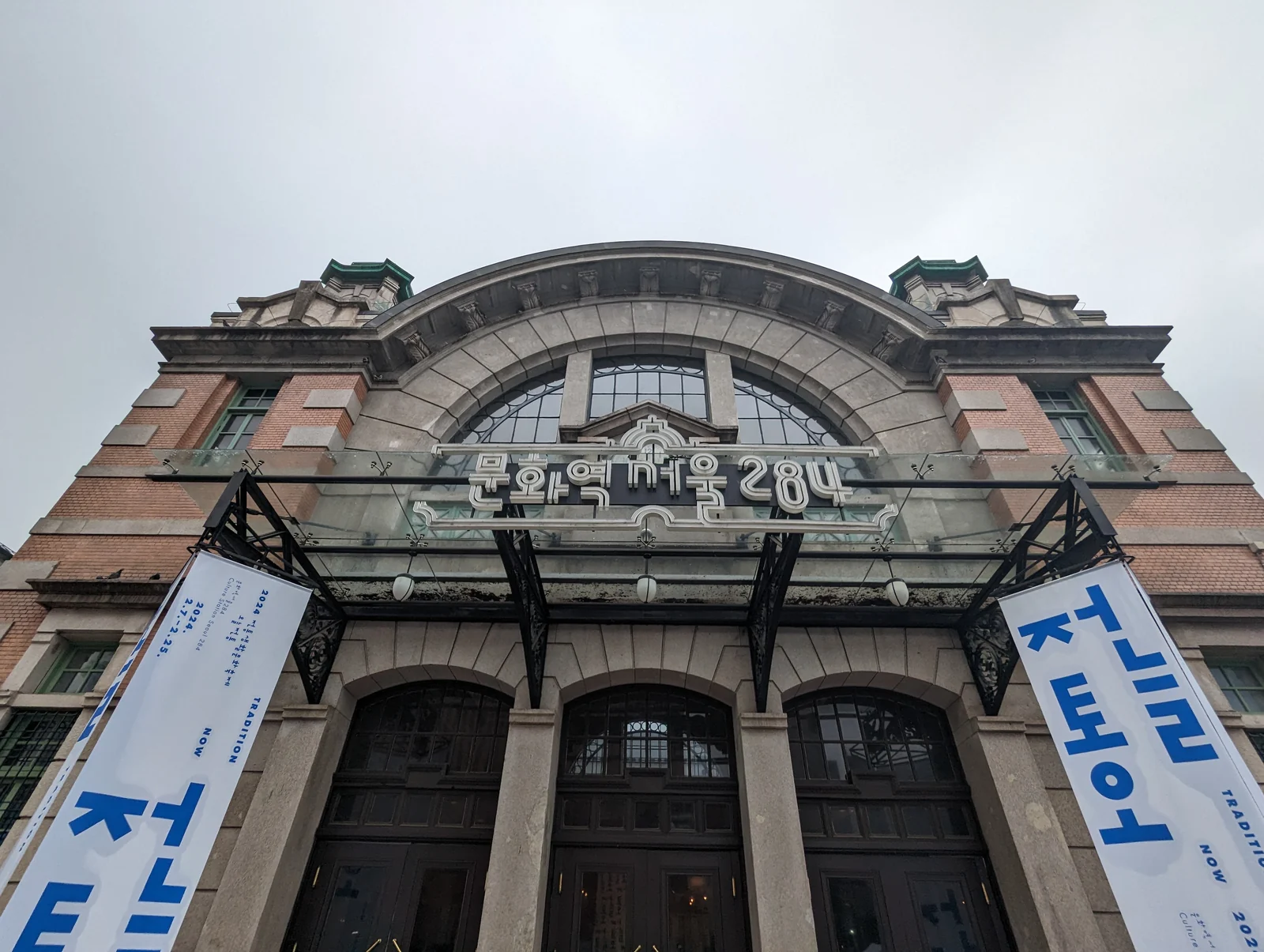
The former Seoul Station gives the festival a grand setting. February 2024.
08
Five questions that make buying easier
You do not need to interrogate the maker. Start with the story of the object, then ask the practical question that matters to you. Where was it made? Who designed it? How do you clean it? People making useful things generally understand why you want to know how to use them.
Look for the maker’s name or card and keep the receipt. Country of manufacture, a Korean design reference and handwork describe different things. Asking about each one is not being fussy; it helps you understand the object you are taking home.
Prices can vary enormously with material, scale, construction and the maker’s work. Set a personal limit before browsing, then enjoy comparing what falls within it. A small, well-chosen piece can be a much happier purchase than the largest object within reach.
| Ask in Korean | Meaning |
|---|---|
| 한국에서 만든 건가요? | Was this made in Korea? |
| 작가 이름을 알 수 있을까요? | Could you tell me the maker’s name? |
| 식기로 사용해도 되나요? | Can this be used for food? |
| 어떻게 관리하면 되나요? | How should I care for it? |
| 깨지지 않게 포장해 주실 수 있나요? | Could you pack it so it will not break? |
09
Leave room for the journey home
Make the packing decision while you are still in the shop. Ask for cushioning around individual ceramic pieces and space between a lid and its pot. Keep the maker’s care note with the item rather than in the hotel-room drawer where useful paperwork goes to retire.
Textiles are forgiving travel companions, but protect delicate surfaces from zips and rough fastenings. Flat paper needs support; a crushable shade needs a proper box. For something bulky, get a shipping quote and delivery estimate before paying, and check your destination’s import rules for the specific material.
Then give the object its first job when you get home. Make tea in the cup. Put your rings in the box. Wrap the next present with the cloth and show someone the knot.
A keepsake does not become less special because you use it. Often, that is when it starts earning its place.
References
- National Museum of Korea: buncheong and white porcelain
- Seoul Museum of Craft Art: lacquer and mother-of-pearl inlay
- Today Tradition Festival: official dates and program
- Culture Station Seoul 284: festival admission, hours and venue
- Seoul Museum of Craft Art: permanent exhibitions
- Seoul Museum of Craft Art: visiting hours, closing days and admission
- Craft Garden: operator’s shop address and hours
- VISITKOREA: Korean craft materials and workshops
- UNESCO: hanji material and papermaking documentation
- K-Heritage Store: cotton wrapping-cloth product and reuse guide
- Korea Heritage Service: traditional Korean knot making