Gyeongju and Jeonju are easy to confuse while planning a first Korea trip. Similar names. Traditional roofs. Enough attractive photographs to make both feel essential.
Then someone suggests doing one night in each.
I’d resist. With two nights to spare, you can settle into one city, learn where dinner is and have a morning that doesn’t begin with repacking a suitcase. Split them and you risk getting to know the luggage rack better than either place.
My starting point is simple: choose Gyeongju if you want history to shape the day. Choose Jeonju if you want a walkable old-town stay with meals at its centre. Both have heritage and good food. The difference is how you spend the hours between them.
01
Which city sounds like your kind of day?
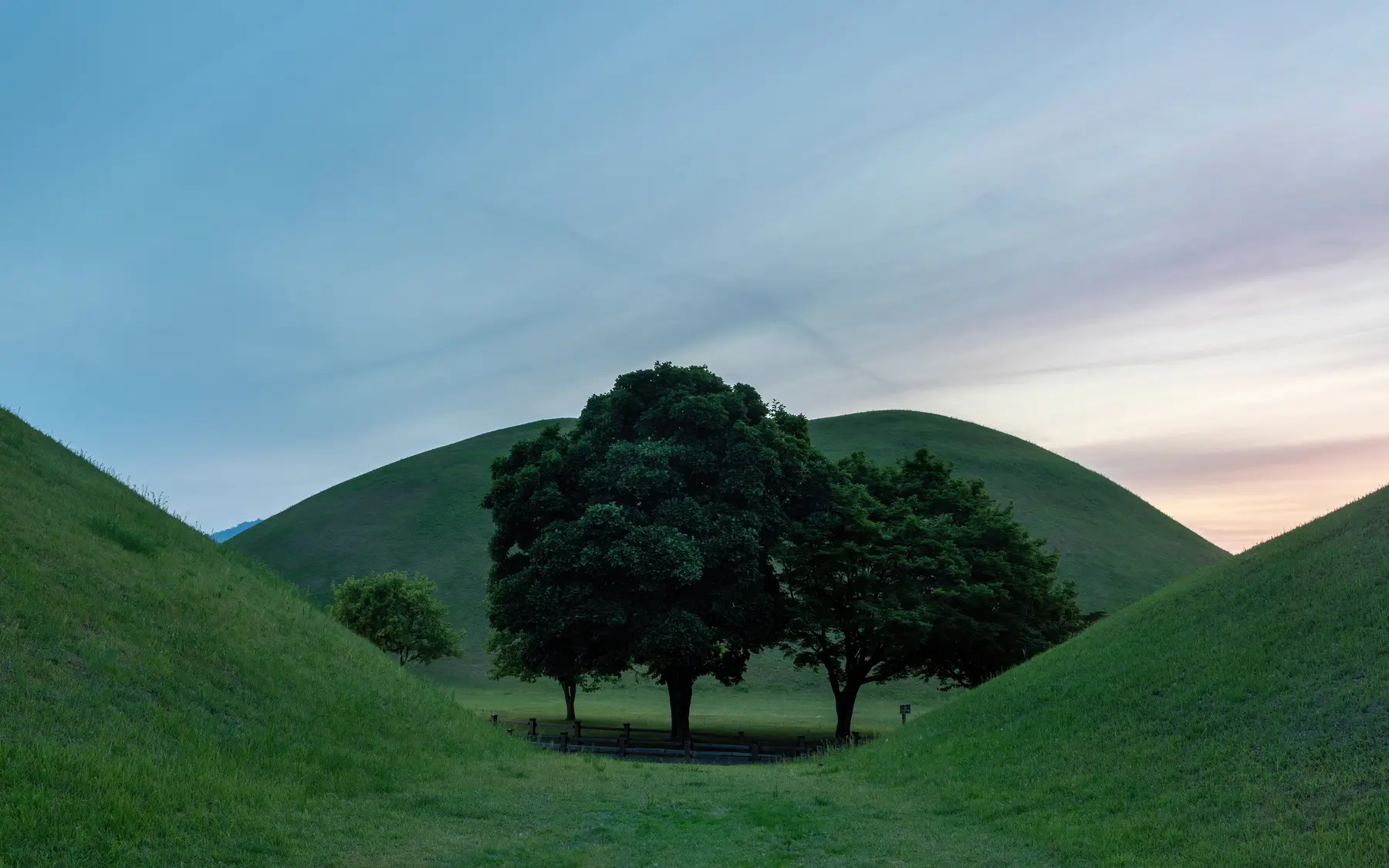
In Gyeongju, you might walk between royal burial mounds, stop at the museum, have dinner and return outside for the lights at Wolji Pond. Bulguksa belongs on another morning.
In Jeonju, you might visit Gyeonggijeon, wander the hanok lanes, sit down to bibimbap and decide that the next landmark can wait until after coffee.
For two curious travellers who disagree, ask a more revealing question: which would annoy you more, missing a major historic site or rushing a good meal?
| If you care most about… | Gyeongju | Jeonju |
|---|---|---|
| A sense of historical scale | Silla tombs, palace remains, Buddhist heritage and the museum | A compact introduction to hanok architecture and Joseon-era heritage |
| Low-friction wandering | The central sights connect on foot; outlying places need separate transfers | The Hanok Village core makes a simpler walking base |
| Meals as the main event | Plenty of room for proper meals between sights | The stronger fit for a food-led weekend |
| Your evening | A deliberate after-dark visit to Donggung and Wolji | Dinner, a lane walk and time back at your accommodation |
| Only one usable sightseeing day | Keep to the central area and leave the wider circuit | The easier version of this particular comparison |
02
Gyeongju: give the old capital some space
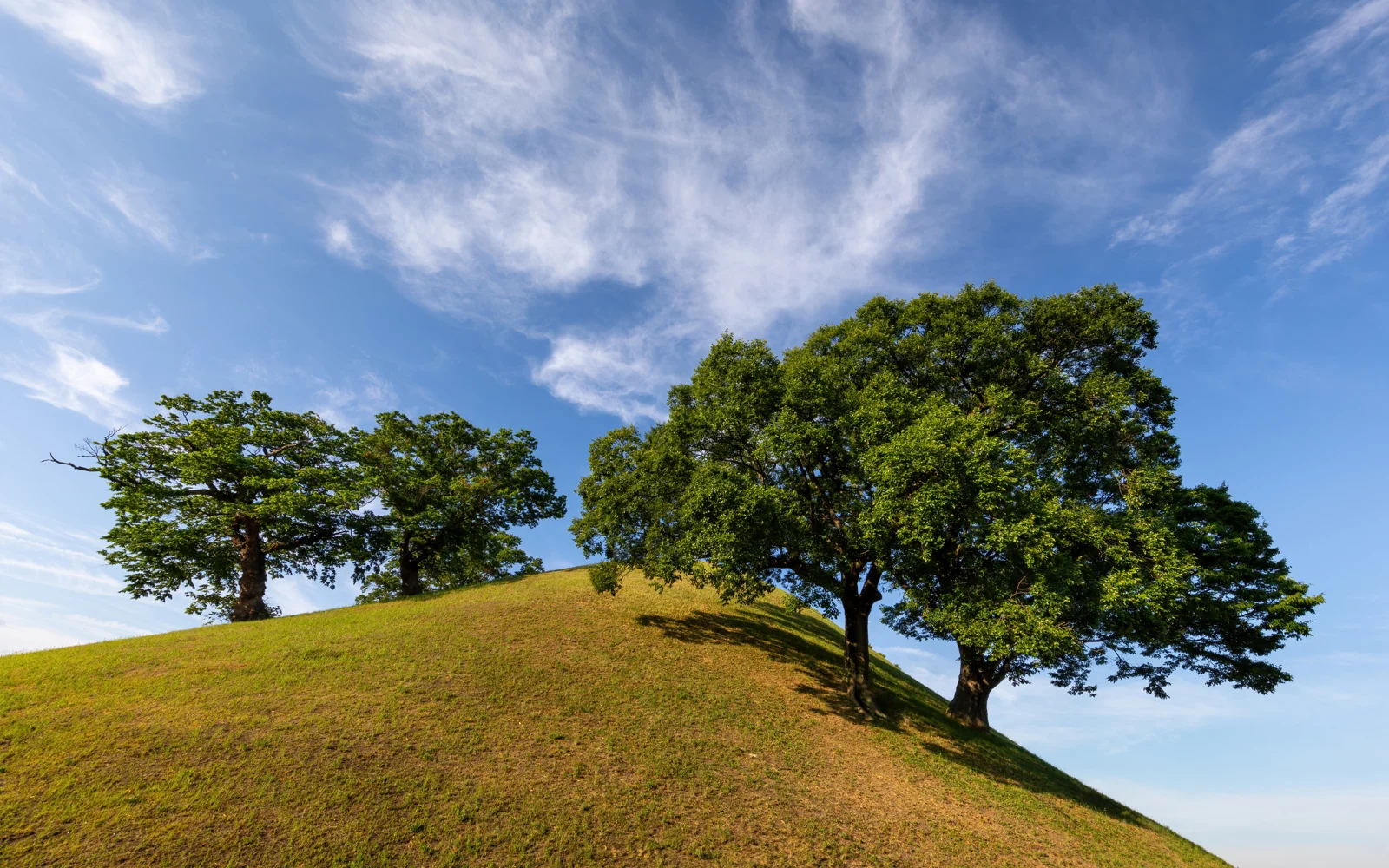
The burial mounds are what make Gyeongju feel different. History occupies the landscape here. You can be walking toward lunch with a rounded royal tomb beside you, rather than entering a building to find the past behind glass.
Daereungwon, Cheomseongdae, the Wolseong area and the national museum give a central day a clear thread. The museum is especially useful if you want to understand what came out of the tombs, rather than simply admire their excellent grass.
That is the appeal. The catch is the map. Gyeongju’s sights extend beyond that central cluster, and a short-looking list can become an ambitious day of transfers. Bulguksa needs its own outing. Seokguram, Namsan and Yangdong are further choices, not loose change to spend in the gaps.
I’d choose Gyeongju when you want to come home understanding more about Silla, and you’re willing to organise a couple of journeys to do it. You don’t need to be a history specialist. You do need to be interested enough to stop walking occasionally.
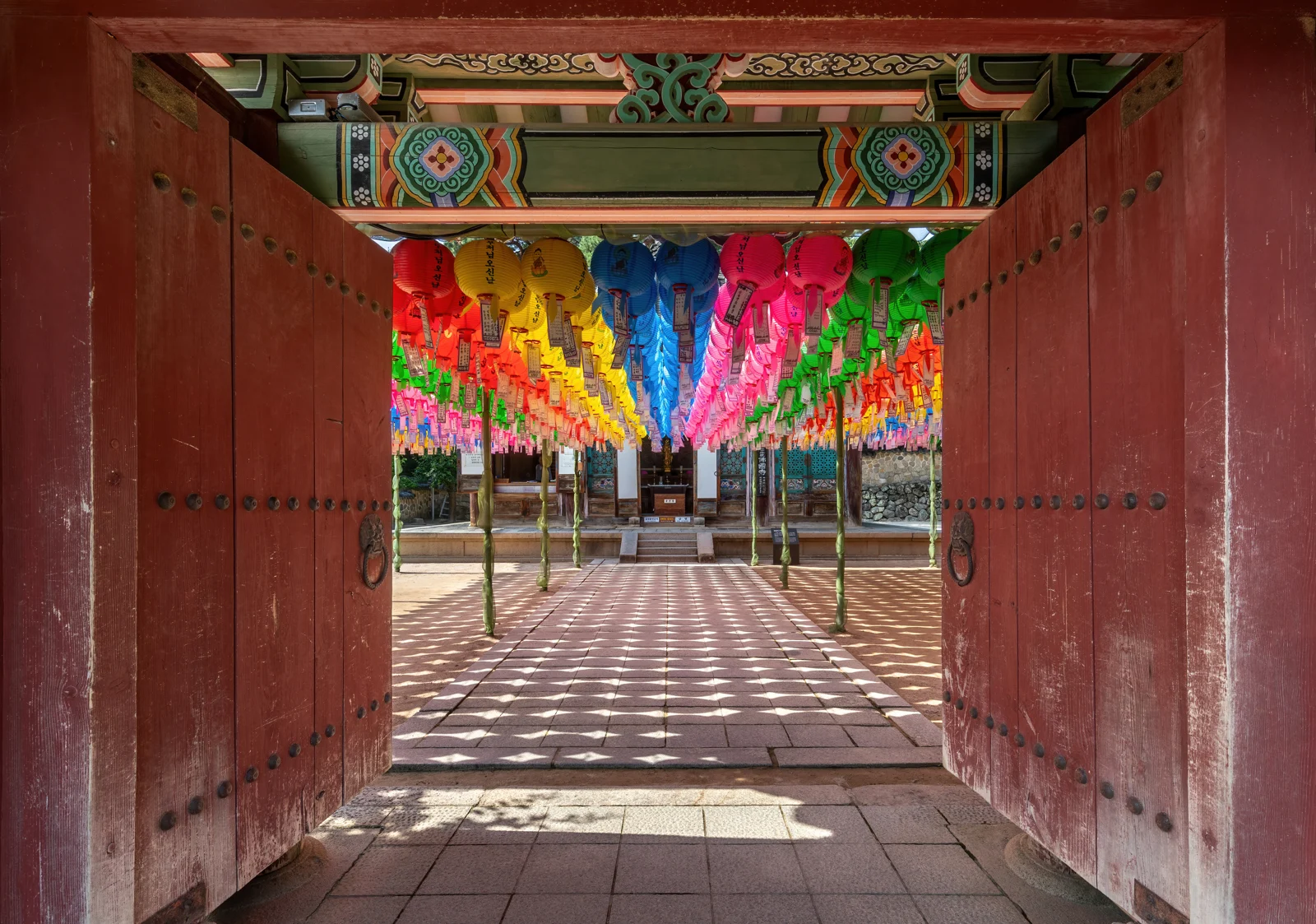
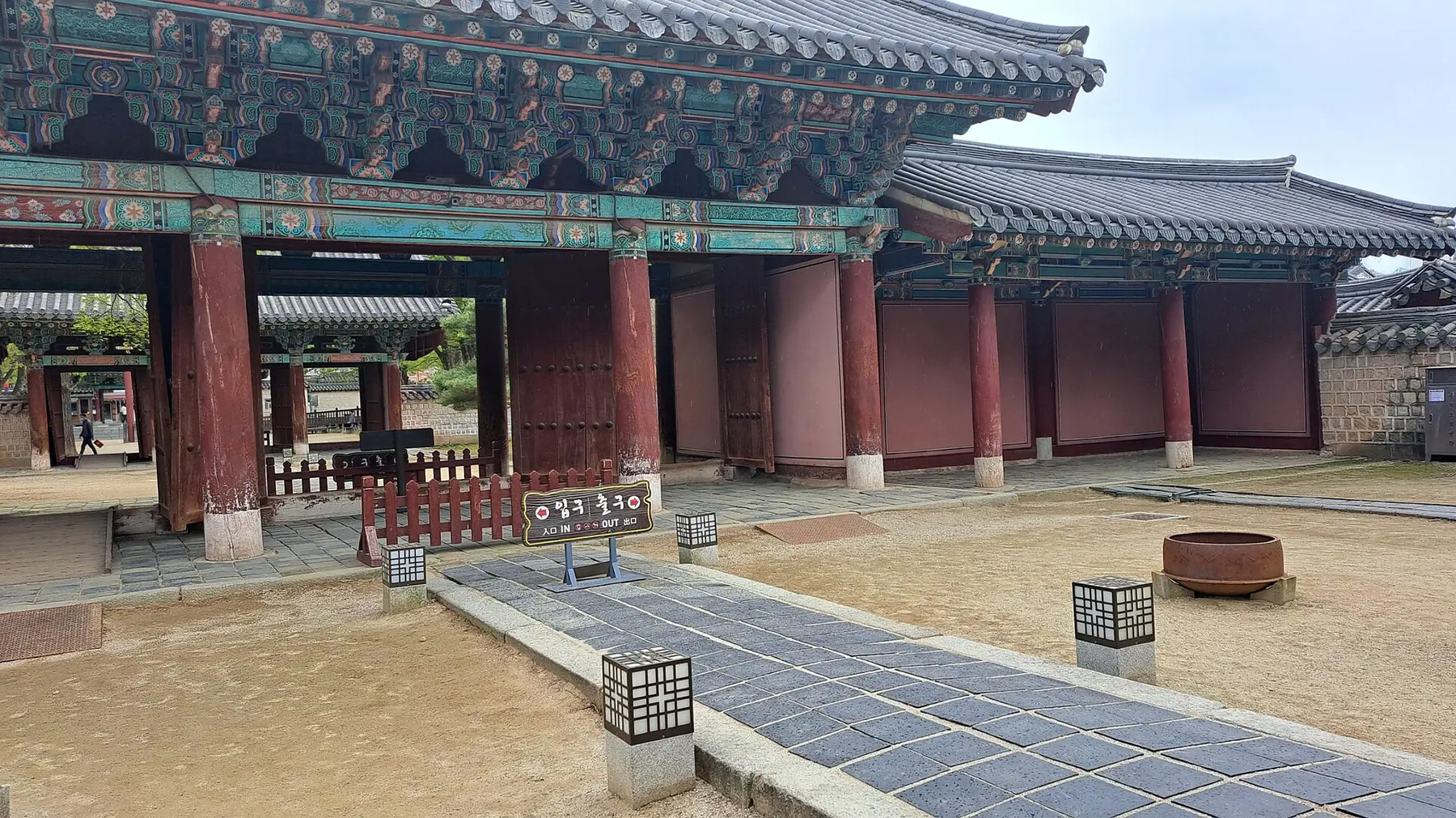
A gate and lantern-filled courtyard at Bulguksa. Photographed June 10, 2024; seasonal displays may differ.
03
The evening is part of the Gyeongju decision
Donggung and Wolji give you a reason to stay after dinner. The illuminated pavilions and their reflections offer a very different finish from another hour in a café. The city currently lists visiting hours of 9 a.m.–10 p.m., with admission ending at 9:30 p.m.
That doesn’t mean filling every hour until closing. Leave space between the museum and the pond. A slow dinner is more useful than arriving at the evening highlight already negotiating with your feet.
For accommodation, I’d start with the central area around Daereungwon, Hwangnidan-gil or the bus terminals. Check the exact address. A handsome resort-room photograph tells you very little about how you’ll get home after the pond.
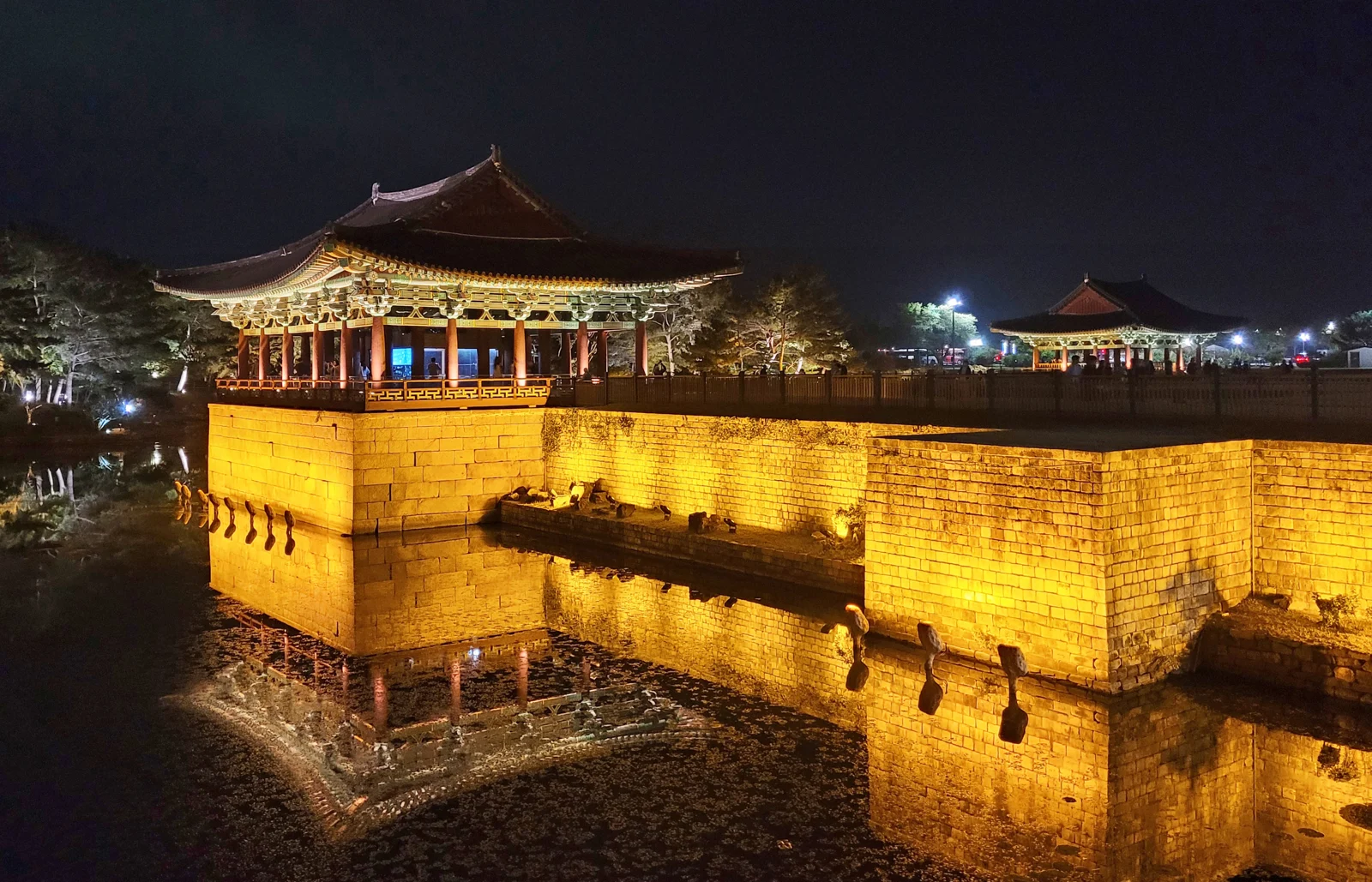
Donggung Palace and Wolji Pond after dark. Photographed October 6, 2022; archive photograph.
04
Jeonju: make room for the second meal
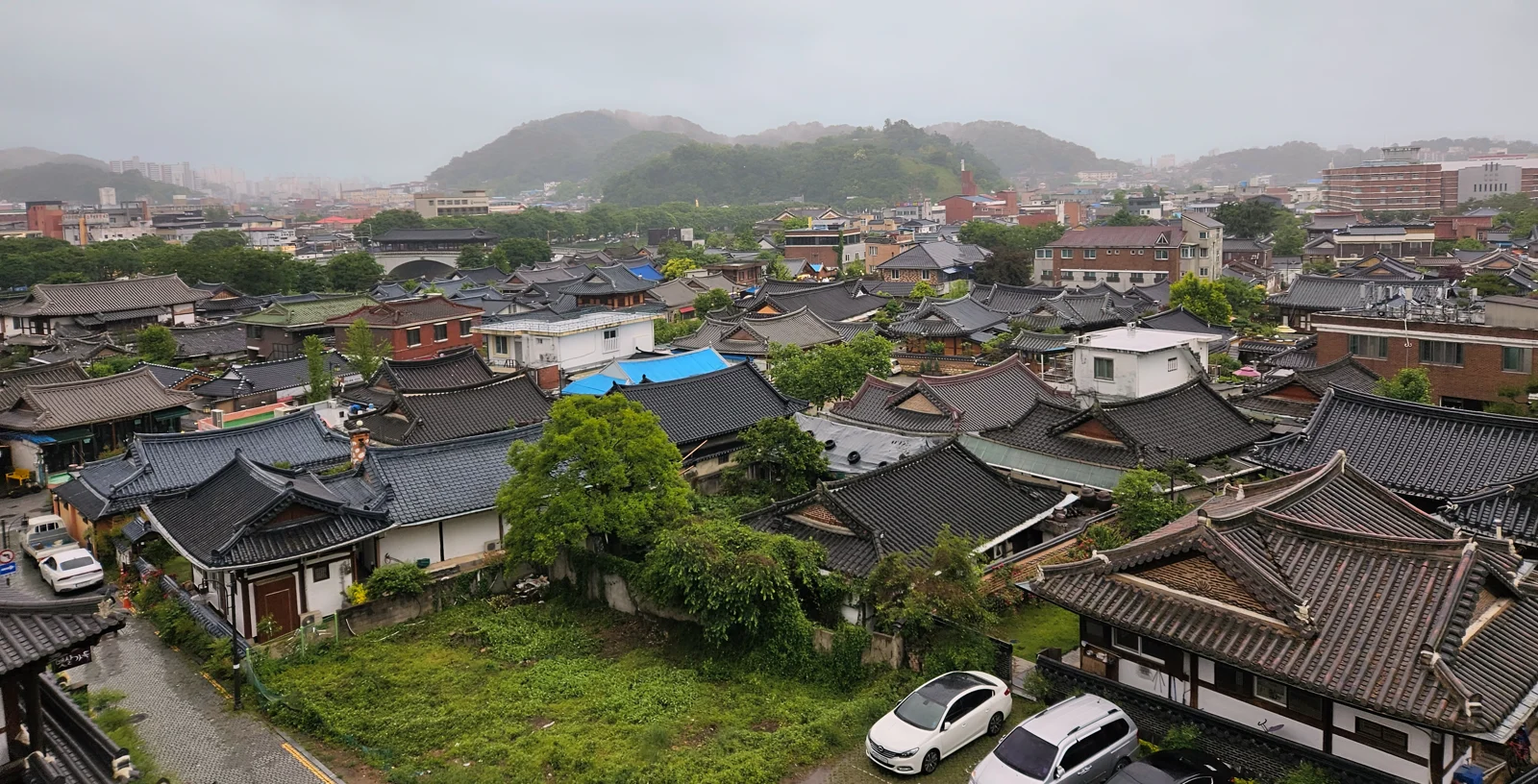
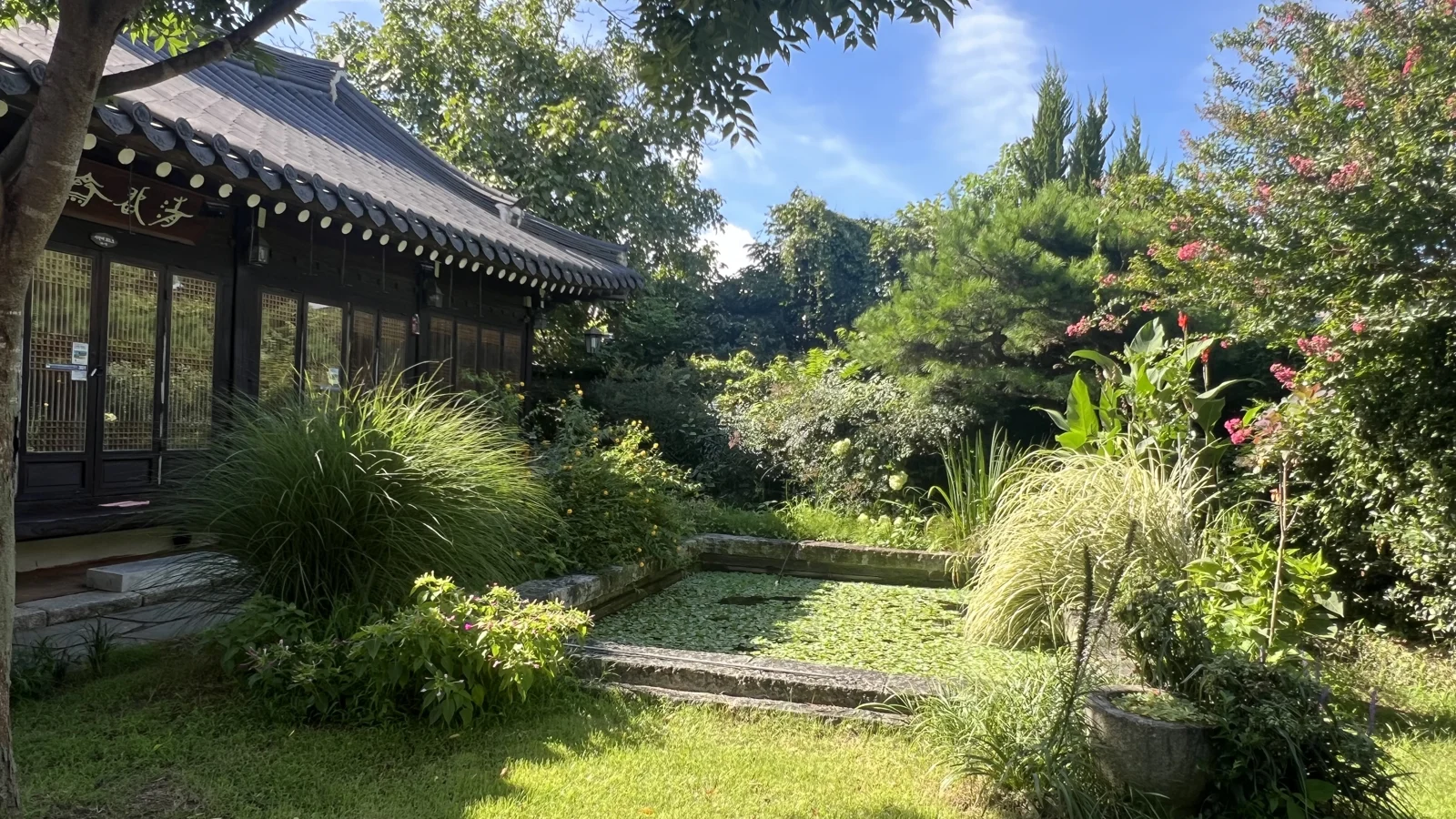
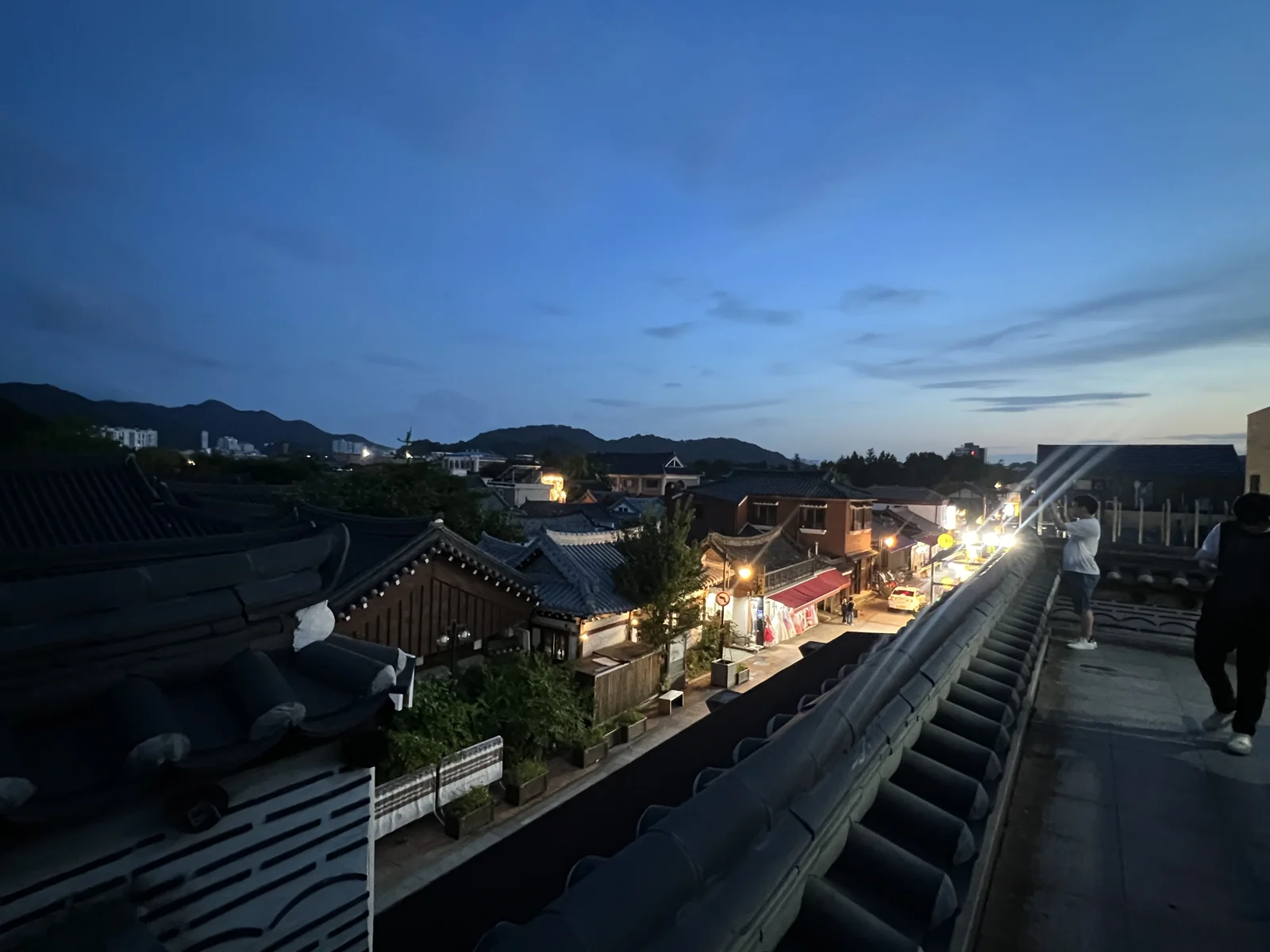
Jeonju suits a different sort of curiosity. Its Hanok Village brings tiled roofs, courtyards, heritage stops, shops and food into a concentrated area. You can give the day a loose shape and adjust it on foot.
Gyeonggijeon gives the visit a historical anchor. Omokdae adds a higher viewpoint. The lanes between them are part of the outing, with the usual qualification that a real neighbourhood also contains businesses, residents and delivery vehicles. A tiled roof does not automatically mean silence.
The food is a reason to stay, not a reward for finishing the sightseeing. Start with a proper bibimbap meal. Leave another sitting for kongnamulgukbap, the local bean-sprout rice soup, or a Korean set meal that suits your group. The city’s own food guide includes all three.
My main advice is to protect your appetite. Buying a snack every time something looks good is an enjoyable way to discover that you no longer want the dinner you spent forty minutes researching.
05
Book the room you’ll enjoy sleeping in
A hanok stay can make Jeonju feel like a proper overnight trip. It can also reveal that you like traditional architecture more than you like sleeping close to the floor.
Look at the specific room’s bedding, bathroom, stairs, luggage storage and soundproofing information. Ask about anything essential. Don’t assume that every hanok has floor bedding, or that every renovated room has hotel-style comfort.
You can stay in an ordinary hotel and still walk through the village before breakfast. There is no authenticity inspection at checkout.
Nambu Market is another possible stop, but don’t make an evening food plan depend on an old night-market timetable. Check the current operating notice for your dates. The daytime market and an evening stall event are different propositions.
06
What two nights actually buy you
Two nights work best when they give you a full day between arrival and departure. They do not necessarily equal two full sightseeing days. These are suggested shapes, not timed or personally tested routes.
If you choose Gyeongju
Arrival afternoon: drop your bag, get your bearings around the central area and have dinner. Add Wolji only if the journey has left enough energy.
Full day: Daereungwon, lunch, Cheomseongdae and the museum. Keep the evening for Wolji if you skipped it on arrival. Take a short ride when it makes the day better.
Departure day: Bulguksa in the morning if your onward connection allows it. Otherwise, keep the final morning central. Seokguram is optional, and may be the first sensible thing to leave for another visit.
If you choose Jeonju
Arrival afternoon: check in, walk the hanok lanes and sit down for dinner. Save ambitious plans until you know whether you still want them.
Full day: Gyeonggijeon, one substantial lunch, a craft or cultural stop that interests you and Omokdae if the weather suits. Leave the evening flexible.
Departure day: an early lane walk, breakfast and one final stop. There is no obligation to find another district merely because the first one was easy to walk.
07
Let the rest of your trip break the tie
Before choosing, compare the complete journey from your previous hotel to the next one. Include the local transfer at both ends. Neither a fast train nor a cheap room is much help if the location gives back the time or money you thought you’d saved.
If Busan is already in your plans, check whether Gyeongju fits your actual rail or bus sequence more cleanly. If you’re returning to Seoul, compare both return journeys before committing. Don’t insert a cross-country transfer just to collect a second city name.
I wouldn’t declare either city cheaper overall. Your room dates, sharing arrangements and taxi use can outweigh the small differences in admission costs. Price the same things in both places: two nights in a room you’d accept, intercity travel, local transfers and the meals you intend to eat.
My verdict: pick Gyeongju if the places themselves are what you’re travelling for. Pick Jeonju if the pleasure is in how the day unfolds between a few good stops and several good meals.
And if you’re still completely undecided, book the one you can reach comfortably. A city you arrive in with an appetite and functioning knees has a considerable head start.